A thorough cleaning and an unhurried exam, explained as we go, in a room that doesn’t feel like a dentist’s office.

Teeth cleaning and exams in Lincoln Park

Most people book a cleaning because a reminder arrived, or because something feels off: gums that bleed when you floss, a rough edge your tongue keeps finding, a tooth that’s suddenly sensitive to cold. A cleaning and exam takes care of both. It removes the hardened plaque a toothbrush can’t, and it’s where problems are found while they’re still small: a spot to watch instead of a filling, a filling instead of a crown.

A lot of checkups run to the clock: a quick polish, a glance, a card for six months’ time. We take ours slowly. At Pearl, in Chicago’s Lincoln Park, every cleaning comes with a full exam, an oral cancer screening and digital X-rays when they’re due, and we tell you what we see as we go. You leave knowing what’s healthy, what to keep an eye on, and why.

“Slow, intentional dentistry — where patient experience, communication, and precision matter — will become more valuable than ever.”
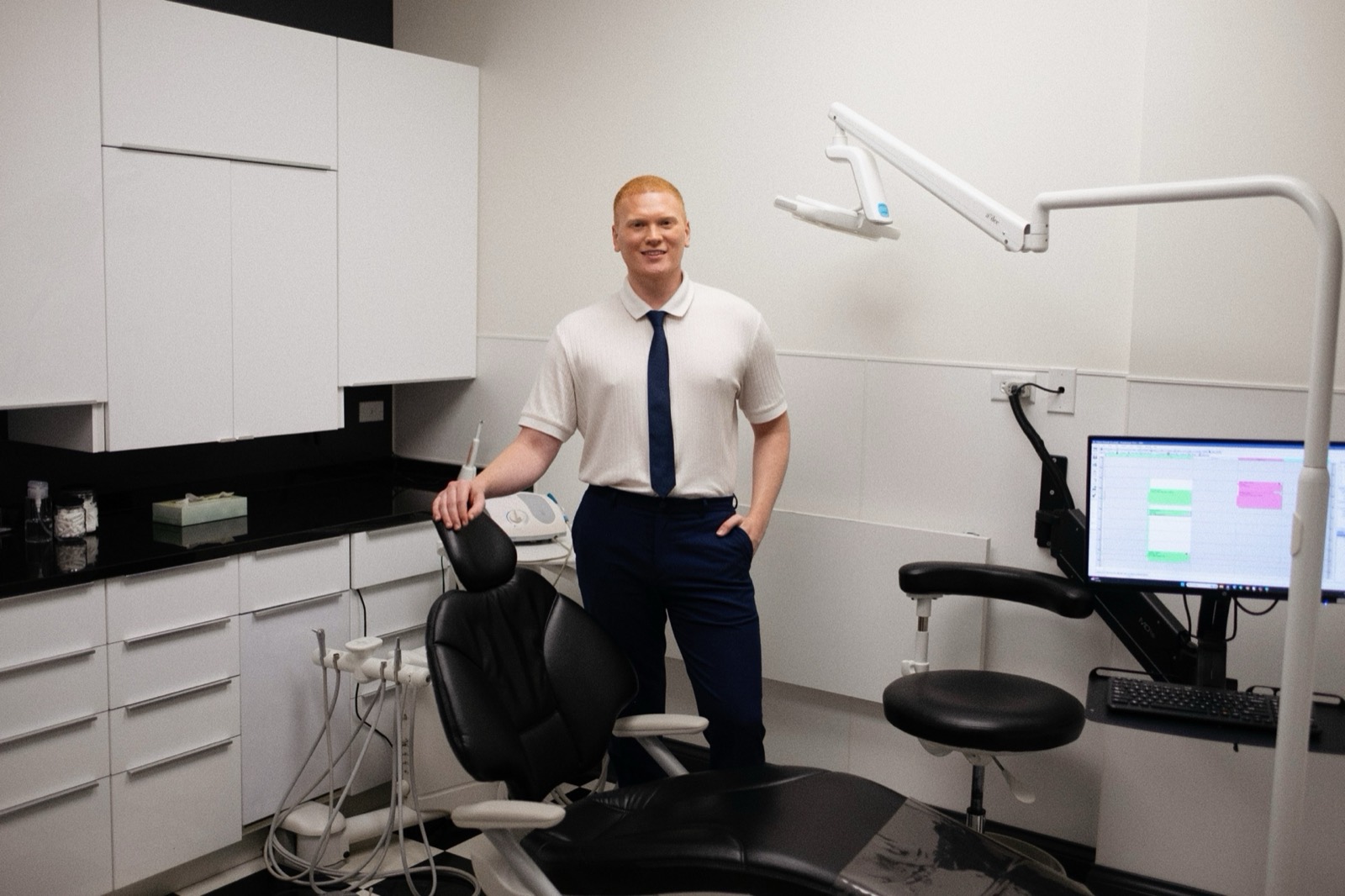
Dr. Colby

An unhurried teeth cleaning and exam

A cleaning and exam happens in one visit. We tell you what’s coming before each step, so there are no surprises in the chair.

  1. 01

    We catch up

    Any changes in your health or medications, and anything that’s been on your mind, from sensitivity to a tooth you’ve been chewing around. It’s your visit, so it starts with what you want looked at.

  2. 02

    Digital X-rays, when they’re due

    They show what an exam can’t: decay between teeth, under old fillings and in the bone around the roots, often before you’d feel a thing.

  3. 03

    The cleaning

    Plaque and hardened tartar are removed from above and just below the gumline, each tooth is flossed, and your teeth are polished smooth, at a pace that’s comfortable for you.

  4. 04

    The exam

    Dr. Colby checks your teeth, gums and bite, and every exam includes an oral cancer screening.

  5. 05

    What we found

    We show you what’s healthy and what needs attention, and walk you through your options before anything is booked. Often the answer is to watch something, not treat it.

“I went in for my cleaning and xrays and had the best experience. The cleaning was incredibly thorough and Dr. Colby took the time to hear me out and ask questions.”
Venezia N., in a Google review
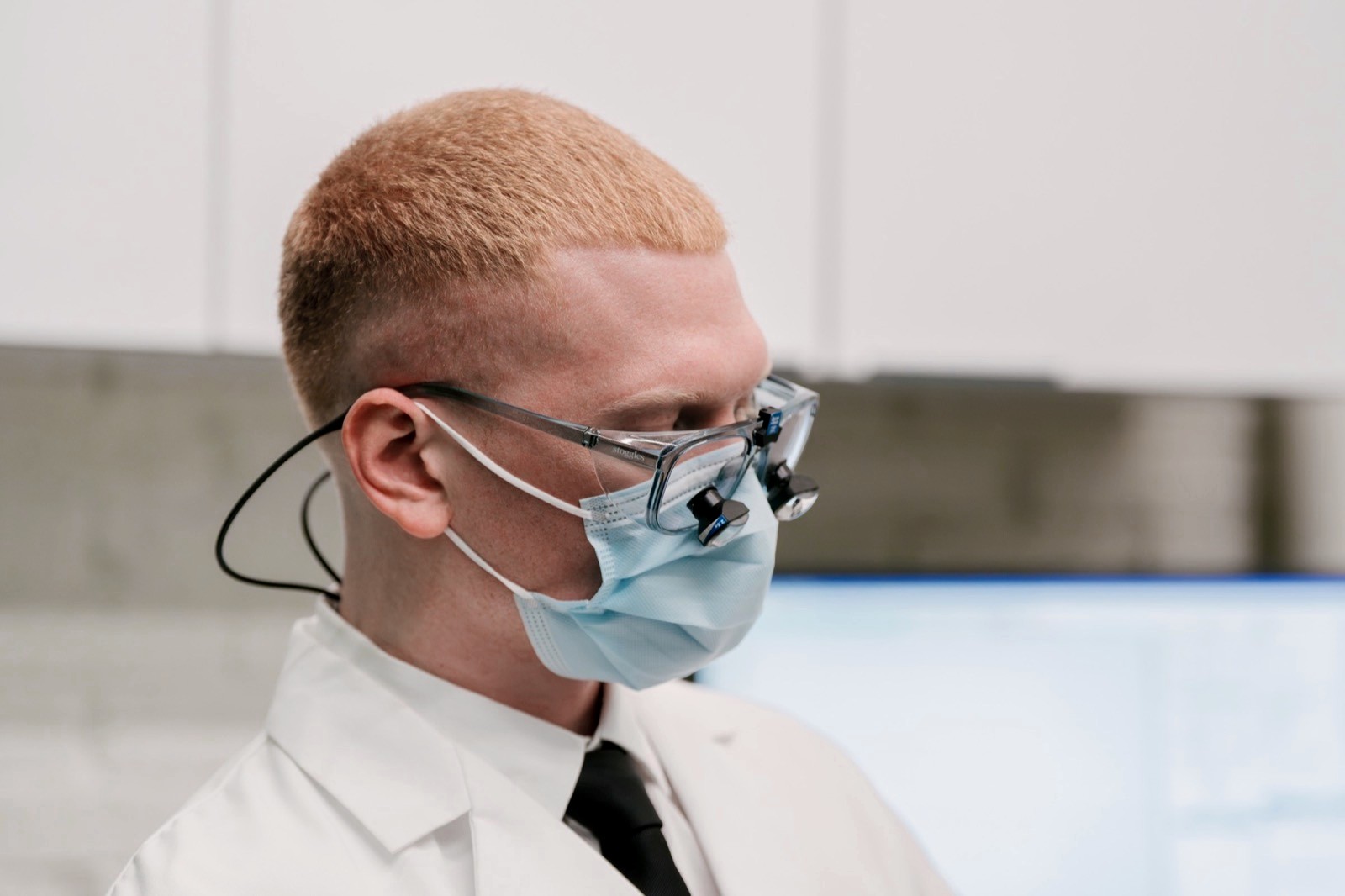
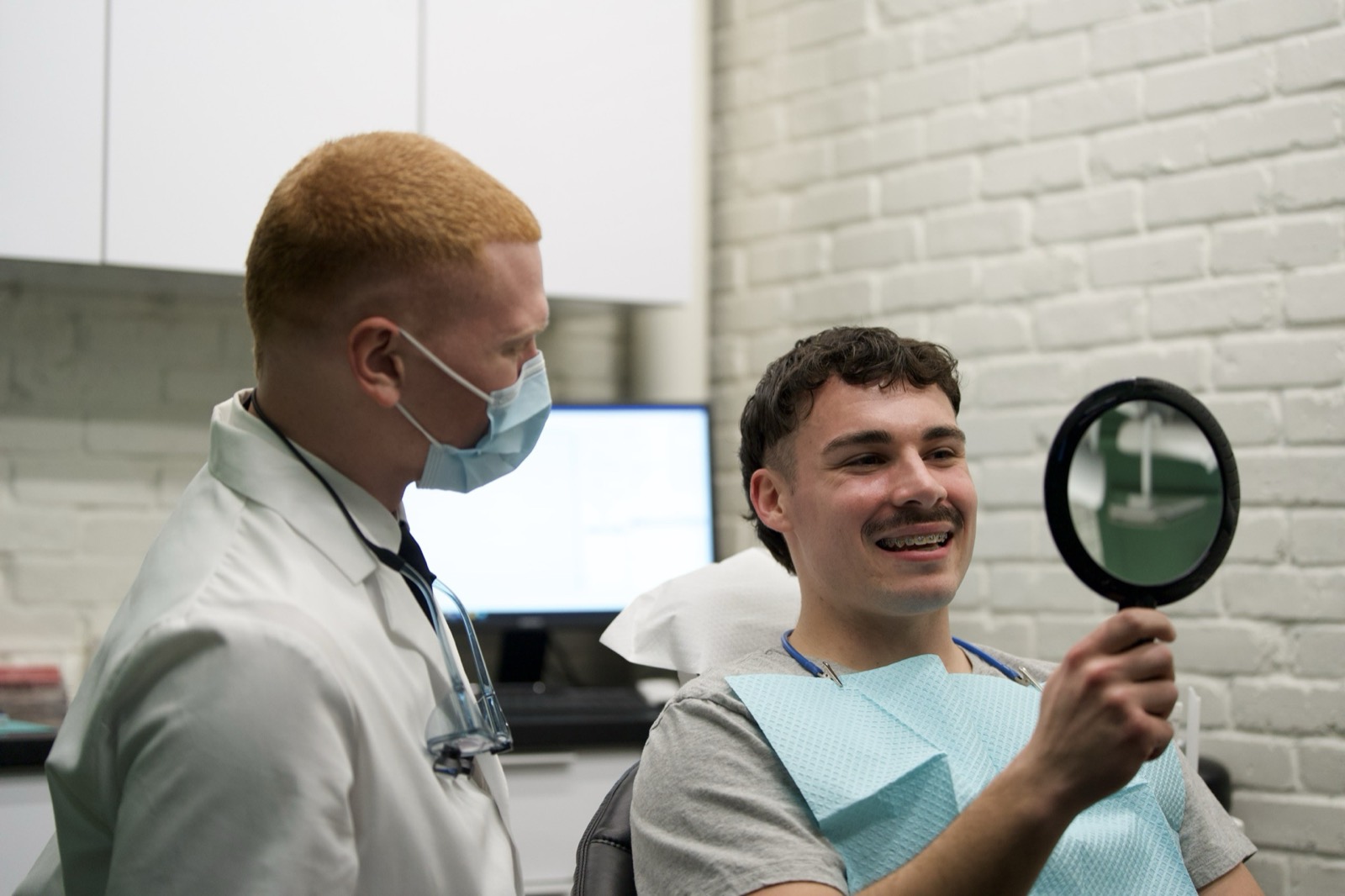
Dr. Colby in his loupes, reviewing images at the monitor

Inside a dental exam

A dental exam looks at far more than cavities. It covers four things: your teeth, your gums, your bite and the soft tissue of your mouth.

On the teeth, we look for new decay, cracks, worn edges and old fillings or crowns that have started to leak at the margins. On the gums, we check for swelling, bleeding and recession, and how snugly the gum sits around each tooth, because a gap that deepens over time is how gum disease starts. We look at how your teeth meet, and for the flattened, chipped edges that come with clenching or grinding.

Each of these is easier to deal with early. A leaking filling found now is usually a quick repair; found years later, it can mean a crown. And worn edges change how a smile looks long before they hurt, so we’ll point them out while there’s time to protect them.

The oral cancer screening is a quick look and feel of your lips, tongue, cheeks, the floor and roof of your mouth, and your neck. It’s part of every exam at Pearl.
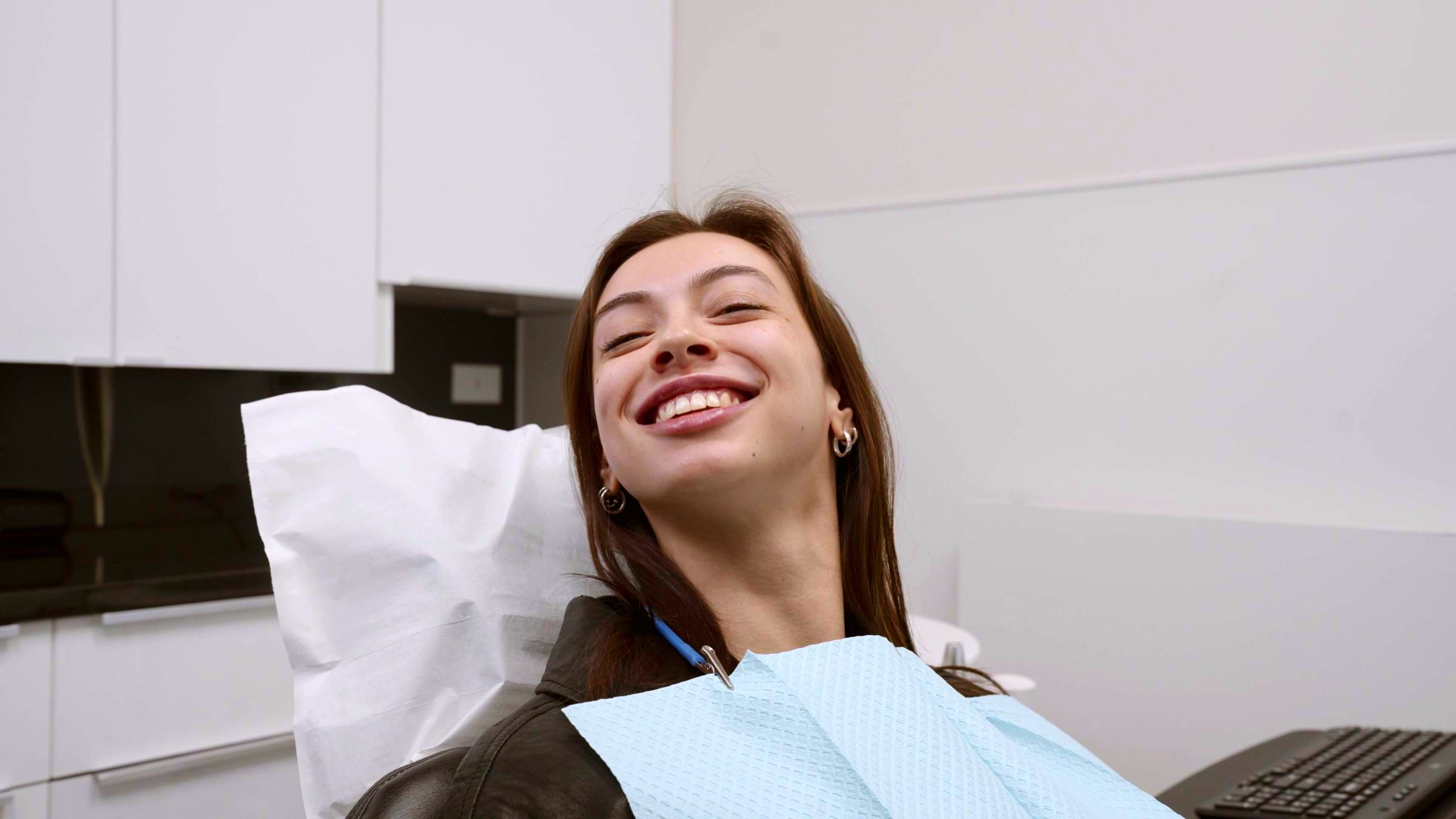

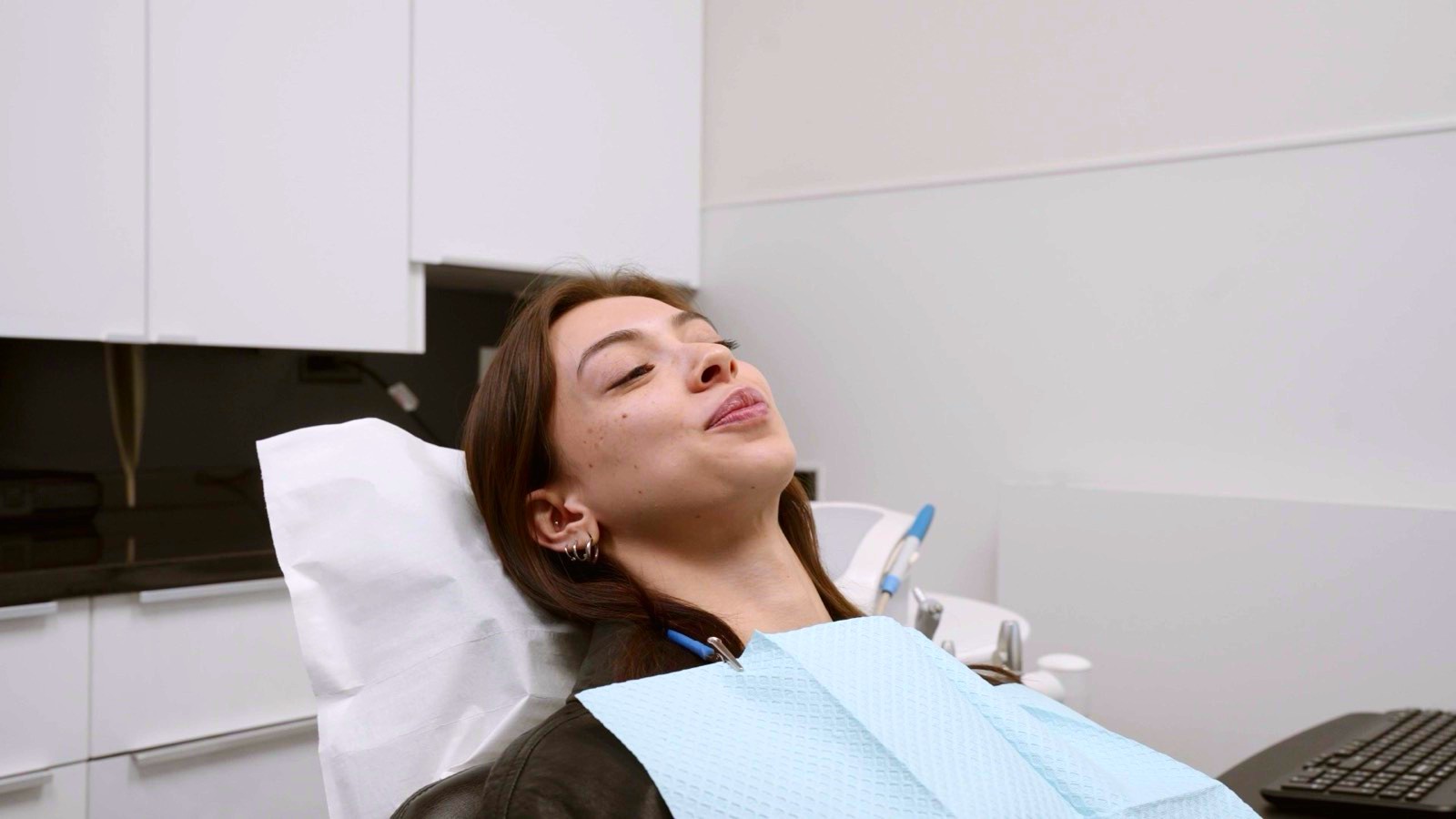
A patient smiling at Dr. Colby during her visit

How often should I get my teeth cleaned?

Every six months suits most people. Plaque that isn’t brushed away hardens into tartar within days, and once it’s hard only a professional cleaning removes it.

Some people do better every three or four months: anyone who has had gum disease or a deep cleaning, people whose tartar builds up quickly, smokers, people with diabetes, and anyone with braces, implants or bridges. If we suggest a shorter interval, we’ll show you the reason in your own mouth. And if it’s been years, you’re far from the only one. Come anyway, and we’ll start from where you are.

Does a dental cleaning hurt?

Usually not. Most people feel scraping and pressure rather than pain, and inflamed gums can feel tender until they’re healthy again.

Tell us if anything is sensitive and we’ll slow down or pause. Many of our patients came to us after years of dreading the dentist, so we go gently, tell you what’s next before we do it, and take a few extra minutes when you need them.

“i normally HATE the dentist but this was actually fun?? Literally every single person in that worked with me was so nice and was great at communicating.”
Isabela E., in a Google review

Digital X-rays, only when they’re due

You don’t need X-rays at every visit, so you’re not having more than you need. Many adults with healthy teeth have a few bitewing X-rays about once a year and a full set every few years; if you’ve had a lot of decay or gum disease, we may suggest them more often.

We use digital X-rays, which need a very low dose of radiation and show up on screen in seconds. We look at them with you, so you see what we see.

Why do my gums bleed when I floss?

Bleeding gums are usually a sign of inflammation from plaque at the gumline, the earliest stage of gum disease, called gingivitis. It doesn’t have to hurt to be a problem, and at this stage it’s fully reversible.

It’s a reason to floss gently every day, not to stop. Most gums settle within one or two weeks. If yours still bleed after that, or they’re swollen, receding or tender, come in so we can see what’s causing it.

Regular cleanings and deep cleanings

The difference is how far below the gumline it goes. A regular cleaning removes plaque and tartar from the teeth above and just under the gums, for gums that are healthy or only mildly inflamed.

A deep cleaning, called scaling and root planing, treats gum disease: it reaches down onto the roots, where the gum has pulled away to form pockets, so the gum can heal and reattach. You’ll only hear about one if your exam shows you need it, and we’ll show you why.

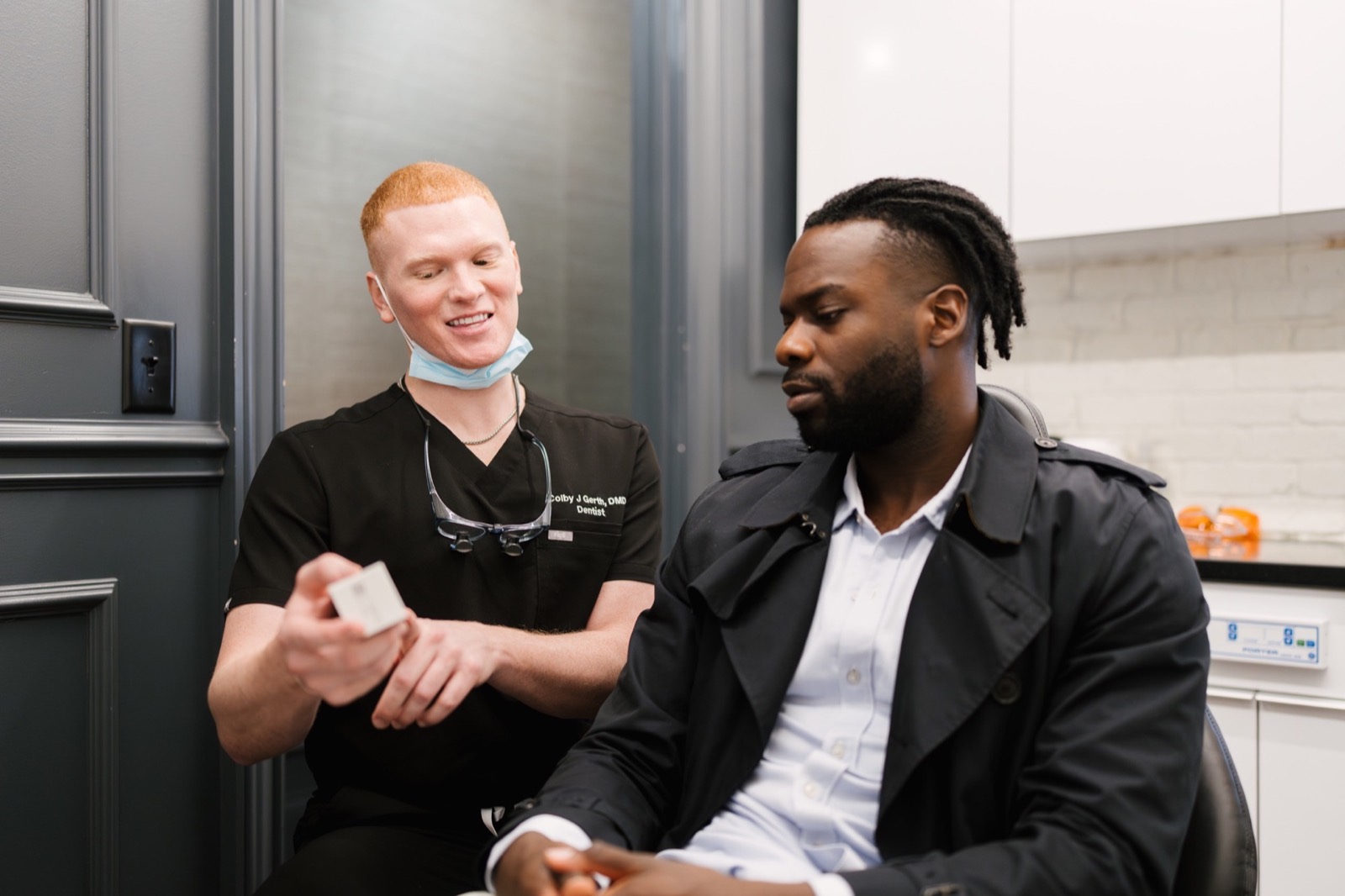
Dr. Colby showing a patient what he found

Only the care you need, shown on your X-rays

After your exam, we tell you what’s healthy, what needs attention now, and what can wait and be watched. Your X-rays go up on the screen and we walk you through them, so you can see the reason for anything we suggest.

If something needs treatment, you’ll hear your options, the timeline and the cost before you decide, with time to ask questions. You’re only offered what you need. Quite often the answer is to keep an eye on something and check it again next time.

“Freddie and Dr Colby kept it real with areas of improvement, while also telling me the good parts about my dental health.”
Shaun H., in a Google review
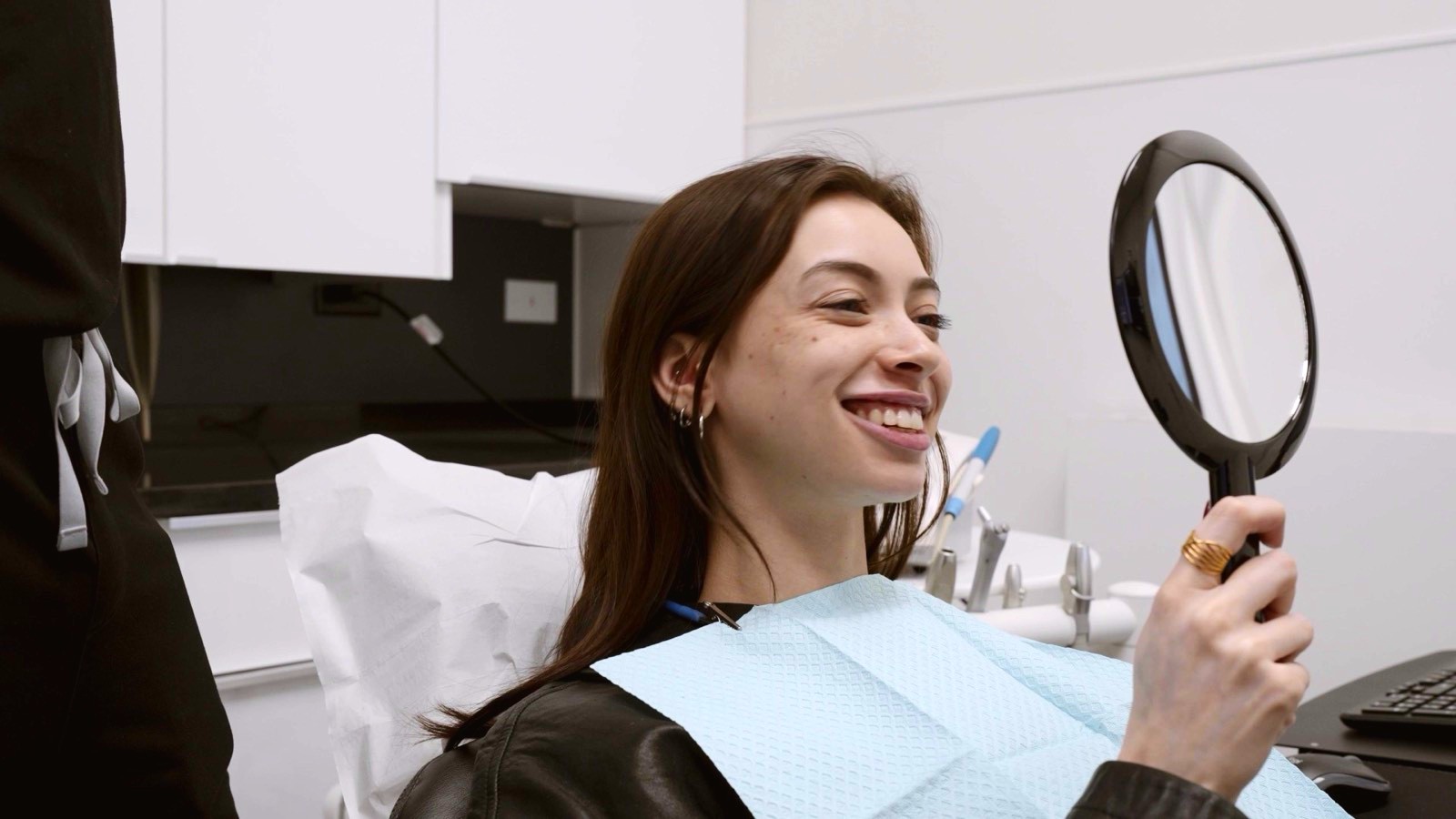
A patient laughing as she checks her smile in a hand mirror

Easy habits for between cleanings

A few daily habits mean less tartar to remove next time, and a quicker, more comfortable cleaning.

  • Brush twice a day for two minutes, with a soft brush and a fluoride toothpaste, angled toward the gumline.
  • Clean between your teeth once a day, with floss, interdental brushes or a water flosser, whichever you’ll actually use.
  • Spit after brushing rather than rinsing, so the fluoride stays on your teeth.
  • Keep sugary and acidic drinks to mealtimes instead of sipping them through the day.
The correct oral hygiene orderVideo · 1:19
Dental advice that sounds right (but isn’t)Video · 0:15
Dr. Colby on the right order for your routine at home, and on bleeding gums

Start with a cleaning and exam

A first visit usually includes an exam, digital X-rays, an oral cancer screening and a cleaning, and time to talk about what you’d like to change. Bring a list of your medications and your insurance details. We’re at 1009 W Webster Ave, across from St. Vincent de Paul Church, with street parking nearby.

Book a visit

Meet Dr. Colby

Dr. Colby James Gerth, DMD, earned his Doctorate in Dental Medicine at Midwestern University and has practiced in Chicago since 2020. He opened Pearl in Lincoln Park in 2025, where even a routine checkup is done with how your smile looks in mind.

Meet Dr. Colby

Common questions

How long does a teeth cleaning take?

Usually 45 minutes to an hour for a cleaning and exam. A first visit, with a full set of X-rays and time to talk, can take longer.

How often do I need dental X-rays?

It depends on your mouth. Many adults have bitewing X-rays about once a year and a full set every few years. Digital X-rays use a very low dose of radiation, and we only take them when they’re due.

Does dental insurance cover cleanings and exams?

Usually, yes. Most dental plans treat two cleanings and exams a year as preventive care, often at little or no cost to you. See the plans we accept, and bring your insurance details when you book.

Can I get a cleaning if I haven’t been to the dentist in years?

Yes, and you’re far from the only one. Come in and we’ll start from where you are. If there’s a lot of tartar, the first cleaning may take a little longer or be split into two visits, so it stays comfortable.

Should I brush before my appointment?

Yes, brush and floss as you normally would. It makes no difference to the cleaning, but it’s more comfortable for you.

Can I eat after a teeth cleaning?

Yes, right away in most cases. If you have a fluoride treatment, you may be asked to wait about 30 minutes.

Can a cleaning whiten my teeth?

Not exactly. Polishing removes surface stains from coffee, tea or wine, so teeth often look brighter. It doesn’t change the color of the tooth itself. Professional whitening does that, and we’ll help you choose a shade that still looks like you.

Is it safe to get a dental cleaning while pregnant?

Yes. Routine cleanings are safe and recommended during pregnancy, when gums are more likely to bleed. Tell us you’re pregnant when you book.

What is an oral cancer screening?

A quick look and feel of your lips, tongue, cheeks, the floor and roof of your mouth, and your neck for anything unusual. It’s part of every exam at Pearl.
Should I keep flossing if my gums bleed?

Yes. Bleeding usually means inflammation from plaque, and gentle daily flossing is how it settles. If it hasn’t improved in a couple of weeks, come in.

Something else on your mind? Call (312) 858-7067 or see all our questions and answers.

Related care

All treatments

Come in for a cleaning

Book online or call us. We’ll take our time with you, and there’s street parking nearby.