
Start with a checkup
Book a checkup for you or your child, and we’ll tell you which teeth, if any, would benefit from a sealant. We’re at 1009 W Webster Ave, across from St. Vincent de Paul Church, with street parking nearby.
A quick, gentle way to protect your child’s back teeth from cavities, with nothing to numb and nothing to drill.
Plenty of children brush well and still get a cavity in a back tooth. The chewing surfaces of the molars are full of deep, narrow grooves, often finer than a toothbrush bristle, where food and plaque settle out of reach. That’s where most cavities in children and teenagers begin, and dental sealants close those grooves off before decay can start.
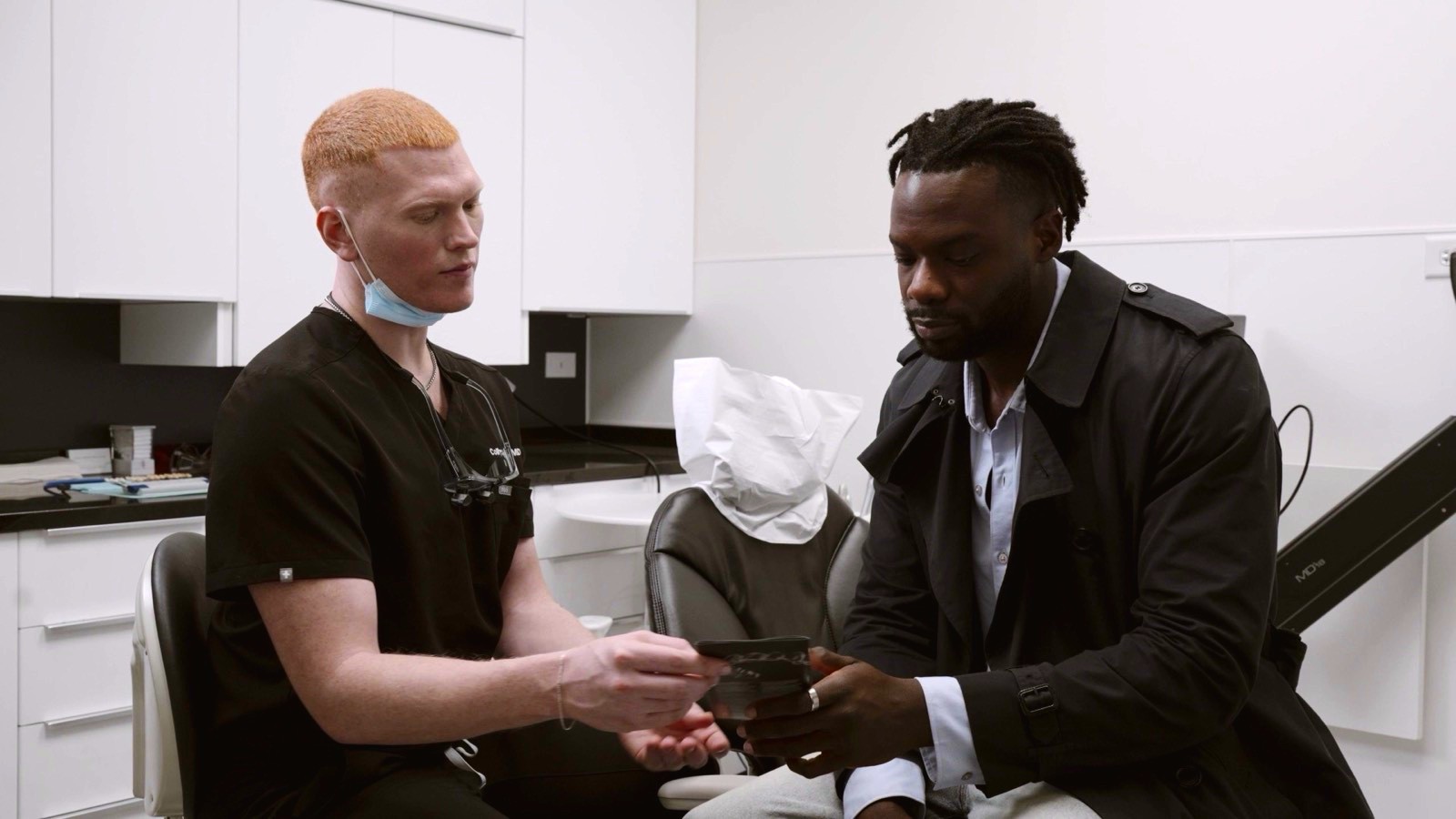
At Pearl, in Chicago’s Lincoln Park, we place sealants for children and for adults whose back teeth have deep grooves. There’s no drilling or numbing, which makes it a gentle way for a child to get to know the dentist, and we only suggest sealants for the teeth that will benefit.
“Everyone in our family now goes to the practice. Honestly, it’s the most positive dentist experience I’ve ever had.”
Sealants are mostly for children, placed as their permanent molars come in: the first molars at about age six, the second at about twelve. Sealing them soon after they appear protects them through the years when cavities are most common.
Teenagers and adults can benefit too, if their back teeth have deep grooves and no fillings yet, or if they tend to get cavities. Baby molars with deep grooves are sometimes sealed as well.
At a checkup we’ll tell you whether sealants make sense for you or your child, and why. If the grooves are shallow and the teeth are healthy, the answer may be no.
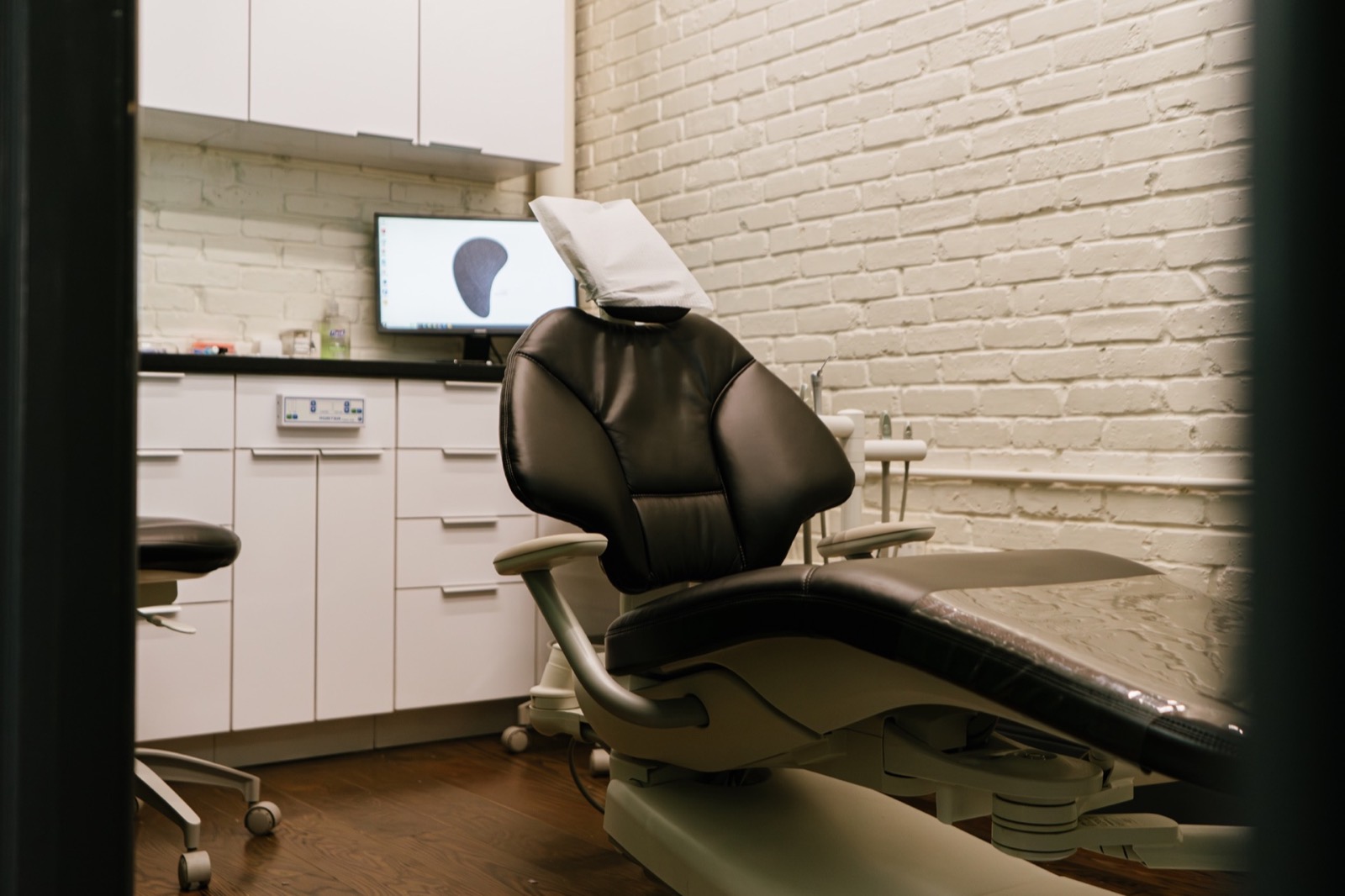
A sealant is a thin, flowable resin, much like the material in a tooth-colored filling. Each tooth takes a few minutes, with no drilling and no numbing, and we tell your child what’s coming before each step.
The grooves are cleaned, so the sealant bonds to clean enamel.
The tooth is kept dry with cotton or a small shield, because saliva stops the sealant from bonding.
A mild gel roughens the enamel slightly, then it’s rinsed off and the tooth is dried.
The sealant is brushed into the grooves and set hard in seconds with a blue light.
The bite is checked and every groove covered, and you can eat right away.
“If you ever had fears about going to a dentist, Dr. Colby will put them all to rest!!”
No. There’s no needle and no drilling, only a sour taste from the materials and keeping your mouth open for a few minutes.
For a child, that makes it a good way to get used to the dentist, with nothing uncomfortable to remember next time.
Often five to ten years. They can wear or chip with chewing, so they’re checked at every checkup, and a worn sealant is quick to touch up.
Yes. Some sealant materials release a tiny trace of BPA in the hours after they’re placed, far less than everyday exposure from food and drink packaging.
Dental and public health organizations recommend sealants for children, and the cavities they prevent are the bigger risk to a child’s teeth. If you have questions, ask us at the checkup; you’ll have the answers before you decide.
They protect different parts of the tooth, so children often benefit from both. Fluoride, in toothpaste or painted on at the dentist, strengthens the smooth surfaces of every tooth, but reaches the deep grooves on the chewing surfaces least well. That’s where sealants work.
Neither replaces brushing twice a day and keeping sugary snacks and drinks to mealtimes.

Many plans cover sealants for children, on permanent molars up to a certain age, commonly the early to mid teens. Coverage for adults varies more.
We accept plans from Aetna, Ameritas, Blue Cross Blue Shield, Cigna, Delta Dental, Guardian, Humana, Lincoln Financial, MetLife, Principal and UnitedHealthcare. Contact us and our team will be happy to help you understand what your plan may cover.
Book a checkup for you or your child, and we’ll tell you which teeth, if any, would benefit from a sealant. We’re at 1009 W Webster Ave, across from St. Vincent de Paul Church, with street parking nearby.
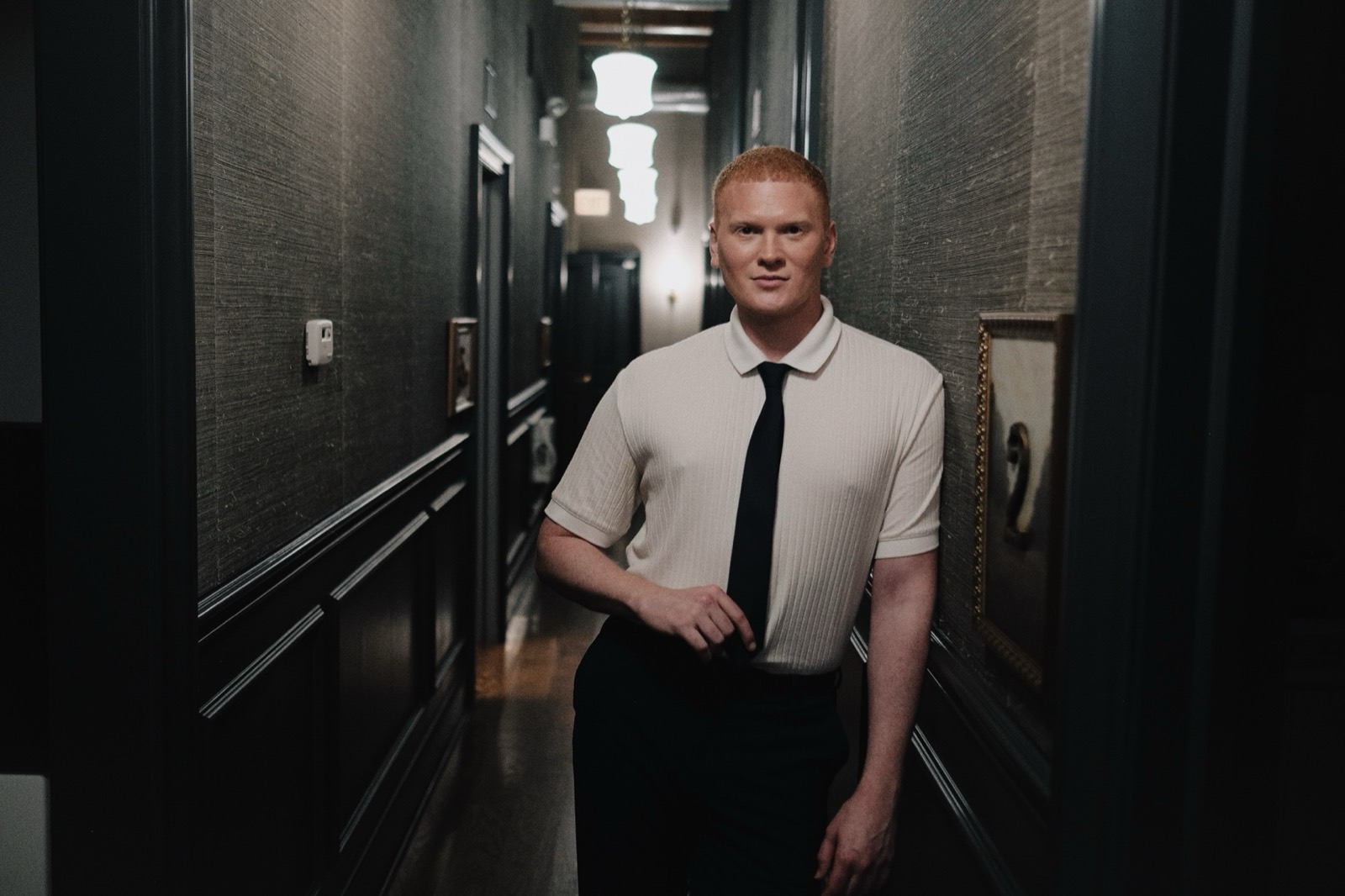
Dr. Colby James Gerth, DMD, earned his Doctorate in Dental Medicine at Midwestern University and has practiced in Chicago since 2020. He opened Pearl in Lincoln Park in 2025, where we see children as well as adults, so parents and kids can come to the same place.
Usually around six and again around twelve, soon after the first and second permanent molars come in. Teenagers and adults with deep grooves can have them too.
Over a very early one, sometimes. Sealing a small spot that hasn’t broken through the enamel can stop it growing. A real cavity needs a filling first.
Yes, right away. The sealant is set hard before you leave.
Barely. They’re clear, white or lightly tinted and sit inside the grooves of the back teeth, so they don’t show when you smile.
Some do. If your back teeth have deep grooves and no fillings, and you tend to get cavities, a sealant can help. We’ll tell you at your checkup if it makes sense.
No. They protect the chewing surfaces only. The sides of the teeth and the gaps between them still need brushing, flossing and fluoride.
Nothing harmful. The tooth is unprotected again, and the sealant can be replaced quickly, without numbing.
Something else on your mind? Call (312) 858-7067 or see all our questions and answers.
Book a checkup for you or your child online, or call us. We’ll tell you which teeth, if any, need sealants. There’s street parking nearby.