Straighten your teeth with clear aligners hardly anyone notices, and see your results before you start.

Invisalign in Lincoln Park

Maybe your front teeth have crowded a little more each year, or the gap your braces closed has crept back. Maybe you’ve wanted straighter teeth since high school but can’t picture yourself in metal brackets at work. Invisalign straightens teeth with a series of clear, removable aligners, so most people you talk to won’t notice you’re wearing them.

At Pearl, in Chicago’s Lincoln Park, we’re an Invisalign provider. It starts with a quick iTero digital scan, and you see a preview of how your teeth will move, with your own timeline, before you commit to anything, so you can decide with the picture in front of you. And if straightening is all your smile needs, that’s all we’ll suggest.

“I am now in the process of starting Invisalign and other dental treatments here. As someone who has extreme dental anxiety I know I will be in good hands at pearl.”
Madisson G., in a Google review

How Invisalign works, step by step

Each aligner moves your teeth a fraction of a millimeter, in six steps from the first scan to your retainer. Before a single aligner is made, you’ll have seen your plan, your preview and your timeline, so you know exactly what you’re agreeing to.

  1. 01

    A consultation and exam

    We check your teeth and gums, hear what bothers you about your smile, and tell you plainly whether aligners suit it. Teeth need to be healthy before they move, so anything else comes first.

  2. 02

    An iTero scan

    A small handheld wand records a 3D model of your teeth in a few minutes. No trays of impression putty, nothing to gag on.

  3. 03

    Your plan and preview

    The scan becomes a plan for how each tooth moves, stage by stage, and you see where your teeth should finish before you start.

  4. 04

    Your aligners

    You wear each set for one to two weeks, about 22 hours a day, then move to the next. They come out for meals, so you eat as you always have.

  5. 05

    Check-ins

    Regular visits to make sure your teeth are following the plan, so a tooth that lags behind is caught early, not at the end.

  6. 06

    Your retainer

    When your teeth are where they should be, a retainer keeps them there, so you only have to do this once.

“I’ve had quite a bit of dental work done with them, including Invisalign, fillings, and a tooth extraction, and they’ve been great every step of the way.”
Javier Z., in a Google review
A woman smiling, holding a clear aligner

What can Invisalign fix?

Most mild to moderate problems with how teeth line up and meet.

  • Crowded or overlapping teeth
  • Gaps between teeth
  • Overbite, underbite and crossbite, in many cases
  • An open bite, where the front teeth don’t meet
  • Teeth that have shifted since braces

Straight teeth are easier to clean and wear more evenly, so the change is for your gums and bite as much as your smile. Moving teeth first can also mean less work on them later: sometimes fewer veneers, or none.

Severe bite problems, or ones that come from the jaw rather than the teeth, may need braces or other treatment. We’ll tell you at your consultation, rather than start something aligners can’t finish.

A woman holding a clear aligner, smiling to the side

Know your Invisalign timeline before you start

Your timeline depends on how far your teeth need to move. Small corrections can take as little as six months, and many people see a difference within the first few months.

You’ll get your own estimate after your scan, with a preview of your finished smile, before you commit, so you aren’t signing up for something open-ended. For most adults it’s often 12 to 18 months, and complex bites can take longer. After that, the biggest difference is how well you wear your aligners.

Wearing your aligners day to day

You wear them about 20 to 22 hours a day, and that includes while you sleep and while you work. They come out to eat, to drink anything but water, and to brush, so in practice it means putting them back in after each meal. An aligner in its case isn’t moving your teeth, so keep the case with you, and your timeline stays on track.

Does Invisalign hurt?

Not usually. Most people feel pressure or tenderness for a day or two after each new set, which is the teeth starting to move.

Putting a new set in at bedtime lets you sleep through most of it. If an edge rubs your tongue or cheek, tell us and we’ll smooth it, so you aren’t putting up with it for weeks.

Eating and drinking with Invisalign

You can eat what you like, because the aligners come out. Drink only water with them in, and take them out for anything else, so they don’t crack, stain or trap sugar against your teeth.

Brush, or at least rinse, before you put them back in. Hot drinks can warp the plastic.

Braces or Invisalign, whichever suits you better

Which suits you better depends on your teeth and on you. Aligners are nearly invisible, come out for meals and photos, and make brushing and flossing easier, with no brackets to break.

They only work while you wear them, though. Braces stay on without you thinking about them, and some complex bites still move more predictably with them. If braces would serve you better, we’ll say so.

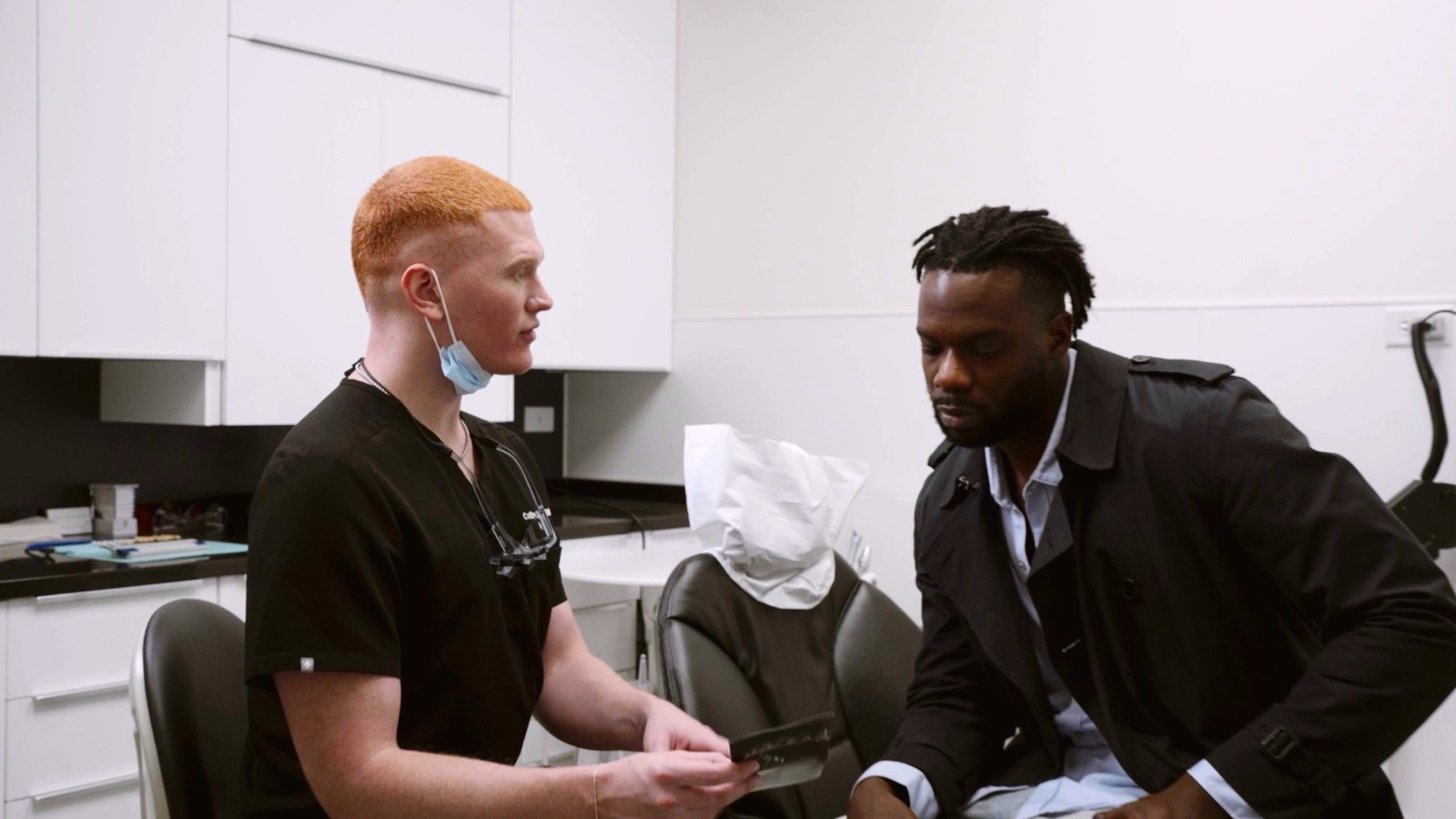
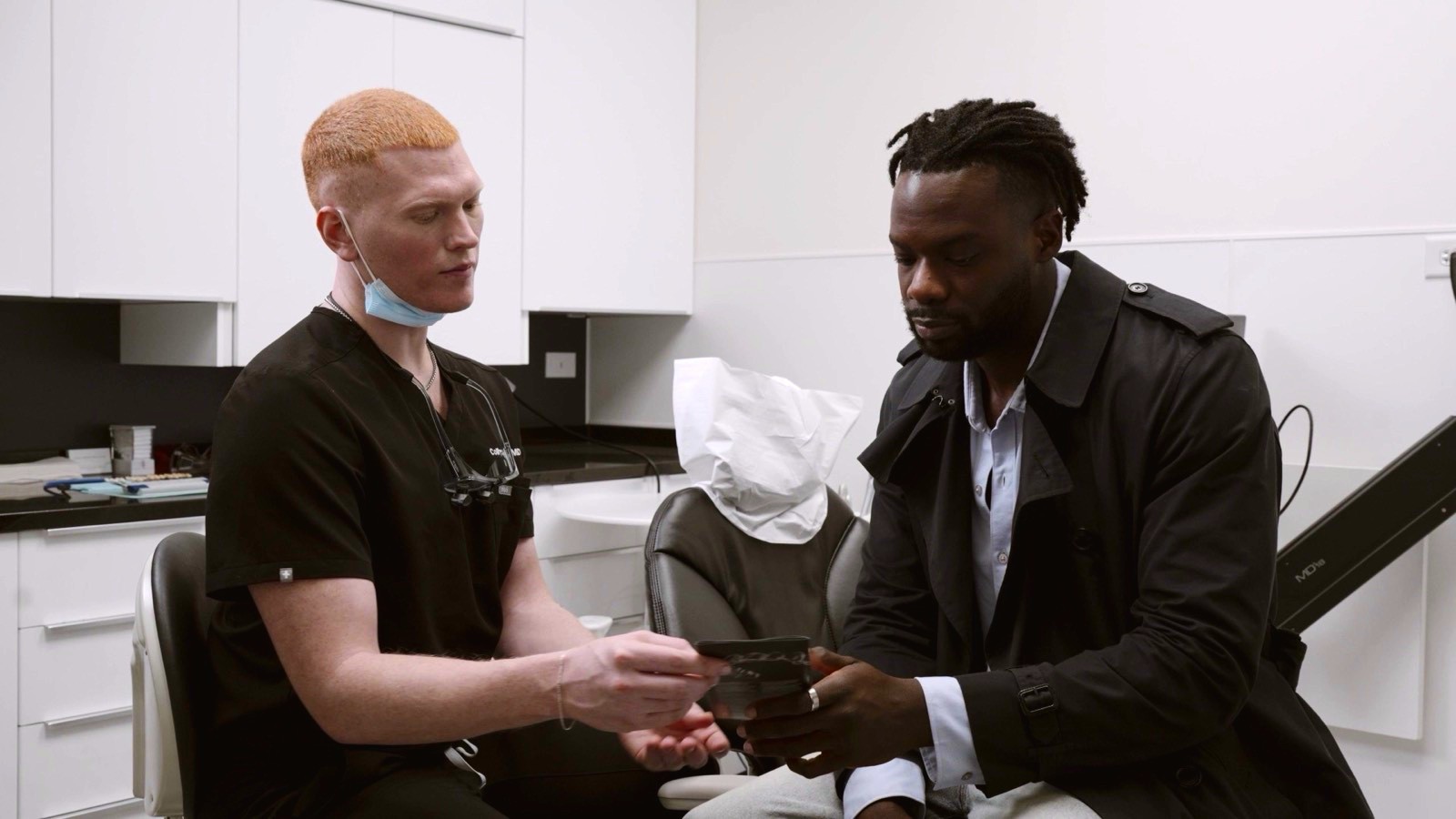
Dr. Colby and a patient leaning in over the plan

The iTero digital scan

An iTero scan is a 3D digital model of your teeth, taken with a small wand instead of trays of impression putty. There’s nothing to bite into and nothing to gag on, and the model is precise enough that your aligners fit snugly from the first set.

It also puts your own teeth on the screen while we talk through what could change and why, so you understand your options yourself instead of taking them on trust.

See your new smile before treatment begins

Your scan becomes a plan that shows each stage of the movement and where your teeth should finish, before you commit to treatment. Teeth don’t always follow a plan exactly, and your check-ins are how we keep them on track.

“I now am going to try to get Invisalign and botox after learning more about my teeth and TMJ.”
Venezia N., in a Google review
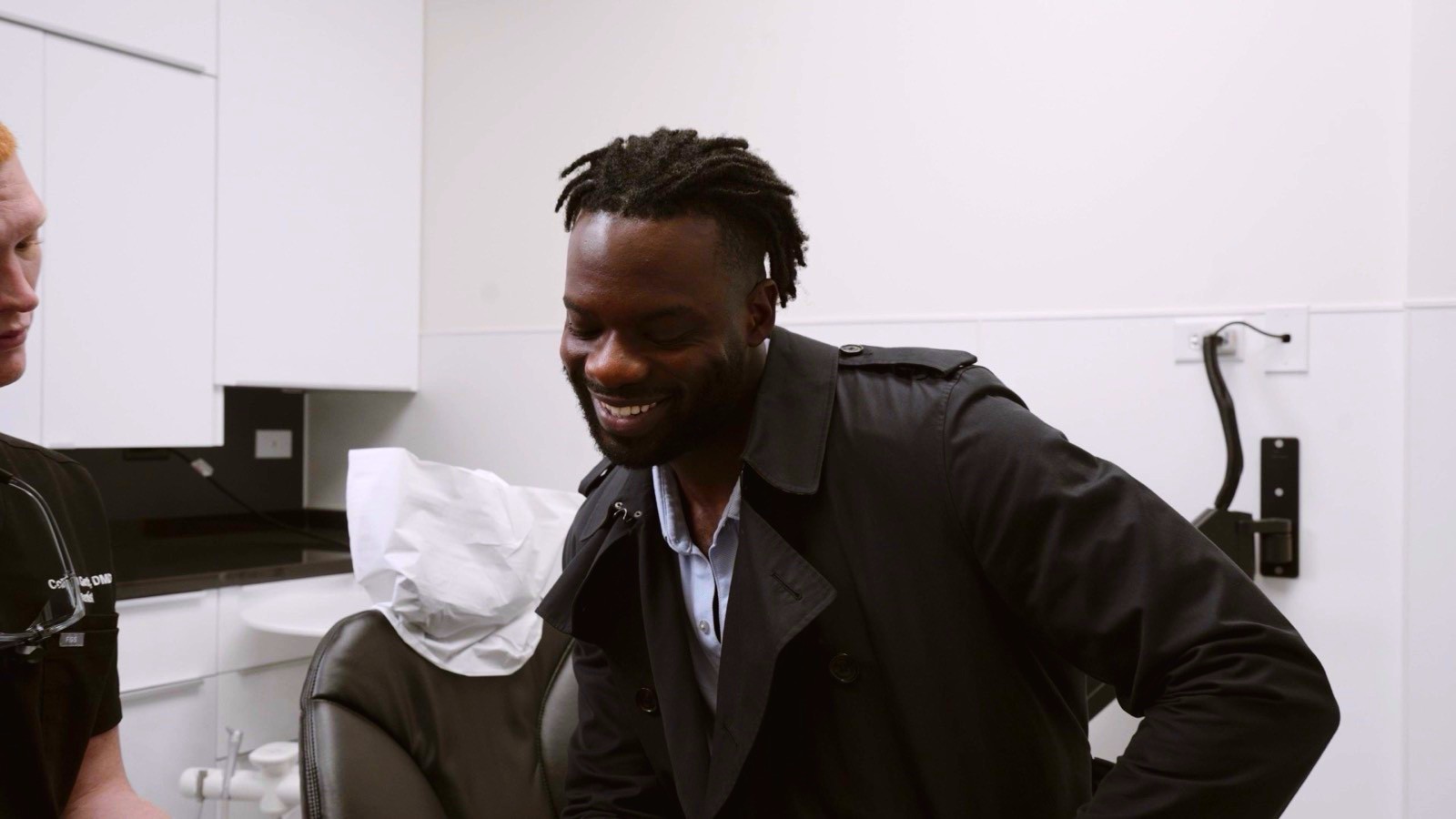
A man smiling, close up

Will my teeth move back after Invisalign?

They can, without a retainer. The bone and gum around your teeth take months to settle in their new positions, and teeth keep drifting slightly for life.

A retainer worn as directed, for most people just at night once the first months have passed, keeps the result you worked for. Skip it and teeth often drift back, which is why many adults end up straightening their teeth twice.

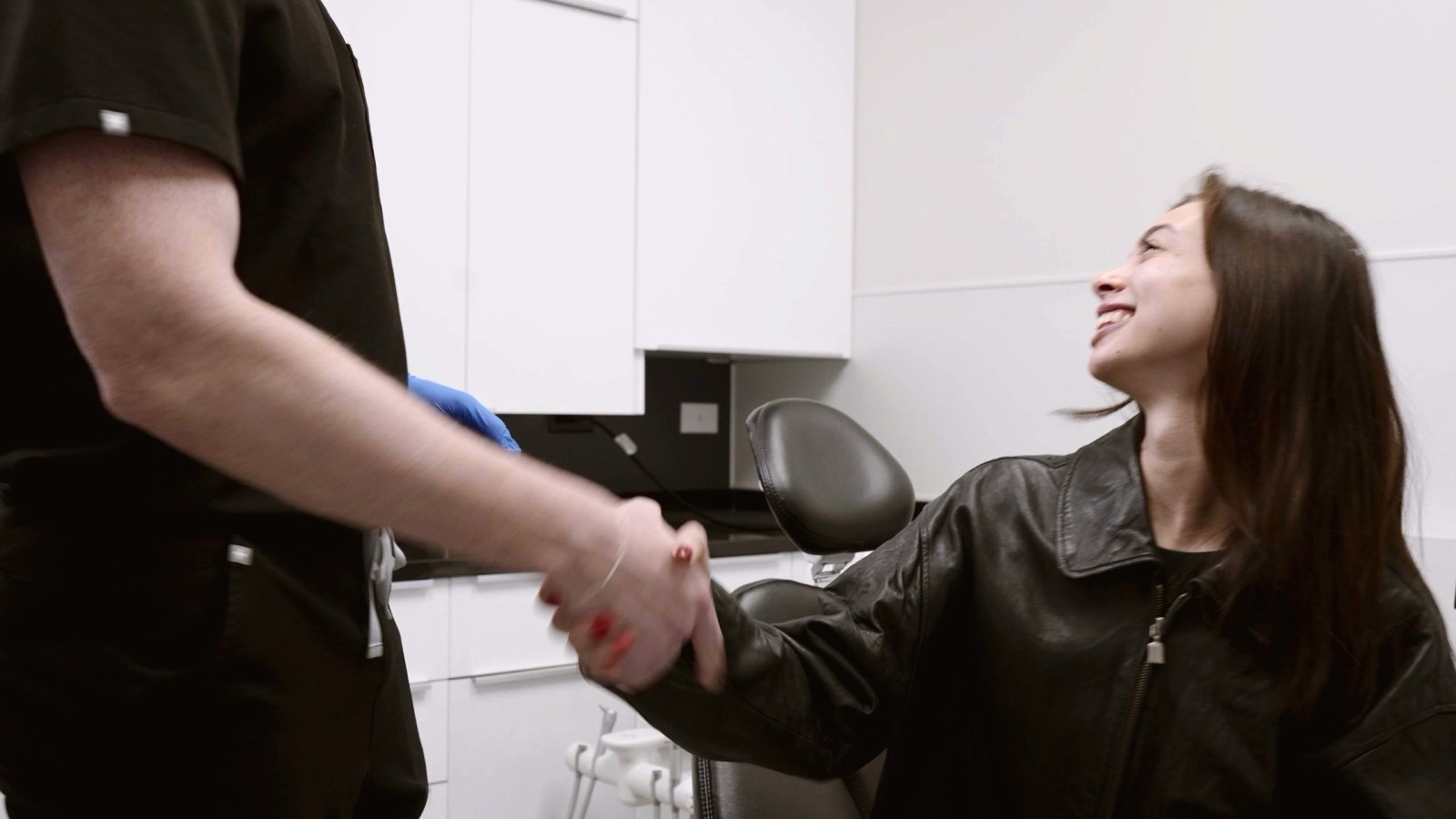
A patient smiling during a consultation

When teeth shift after braces

Teeth shifting after braces is common, even if you wore your retainer, and Invisalign can usually correct it. Your bite keeps settling and your jaw keeps changing through your twenties, which can undo some of what braces corrected. It doesn’t mean something went wrong. Most shifting after braces is minor, and it’s often corrected faster than people expect.

Am I a good candidate for Invisalign?

Most adults with mild to moderate crowding, gaps or bite problems are good candidates. Your teeth and gums need to be healthy first, so any cavities or gum disease are treated before aligners start.

Aligners also suit people who will wear them about 22 hours a day and keep track of them. If that doesn’t fit your life, braces may serve you better, and we’ll say so.

Will my teeth shift even if I’ve had braces?Video · 0:34
Dr. Colby on why teeth shift, even after braces

Start with a consultation

We look at your teeth, gums and bite, take an iTero scan and tell you whether aligners suit your smile. You’ll hear the options, the timeline and the cost before you decide anything. We’re at 1009 W Webster Ave, across from St. Vincent de Paul Church.

Book a consultation

Meet Dr. Colby

Dr. Colby James Gerth, DMD, earned his Doctorate in Dental Medicine at Midwestern University and has practiced in Chicago since 2020. He opened Pearl in Lincoln Park in 2025 as a cosmetic-focused practice, so straightening your teeth is planned around how your smile looks, not only where the teeth sit.

Meet Dr. Colby

Common questions

How long does Invisalign take?

It depends on how far your teeth need to move. Small corrections can take six months or less, and for most adults it’s often 12 to 18 months. You’ll get your own estimate after your scan, before you start.

How much does Invisalign cost?

It depends on how much your teeth need to move. You’ll know the cost before you start. Some dental plans include an orthodontic benefit, and we’re happy to help you understand what yours may cover.

Is Invisalign noticeable?

Hardly. The aligners are clear plastic. Small tooth-colored bumps called attachments can be seen up close, if your plan needs them.

What are Invisalign attachments?

Small, tooth-colored bumps bonded to some teeth to give the aligners something to push against. They come off at the end of treatment.

Can I drink coffee with Invisalign?

Take the aligners out first. Hot drinks can warp them and coffee stains them. Rinse or brush before putting them back in.

How do I clean my aligners?

Rinse them whenever you take them out and brush them gently with cool water. Skip toothpaste, which scratches them, and hot water, which warps them.

What happens if I lose an aligner?

Call us. Depending on where you are in treatment, you may move on to your next set or go back to the last one while a replacement is made.

Do I need a retainer after Invisalign?

Yes. Teeth drift for life, and a retainer is what keeps them where your aligners put them.

Can Invisalign fix an overbite?

Often, yes, when it’s mild to moderate. A large overbite that comes from the jaw may need other treatment. Your scan and exam will show which yours is.


Something else on your mind? Call (312) 858-7067 or see all our questions and answers.

Related care

All treatments

See where your teeth could go

Book a consultation online or call us. We’ll scan your teeth and show you what aligners can do, and you decide from there.