Whiter teeth that still look like yours, at a shade chosen for your face, with Philips Zoom, Opalescence or Colgate Optic White.

Professional teeth whitening in Lincoln Park

It usually starts with a photo. Your teeth look more yellow than you remember, or a little gray beside a friend’s, and brushing harder hasn’t changed it. Coffee, tea, red wine and the years all leave their color in the enamel, and whitening toothpaste only reaches the surface. Professional teeth whitening lifts those stains from inside the tooth, more evenly than store kits.

At Pearl, in Chicago’s Lincoln Park, we look before we whiten. We check that your teeth and gums are ready, and note any crowns, fillings or veneers, which won’t change color, so you don’t end up with one tooth that no longer matches. Our options include Philips Zoom, Opalescence and Colgate Optic White, and we’ll help you choose the one that suits your teeth, how sensitive they are and how soon you want to see a difference.

“We believe every detail matters, and we only deliver work that looks beautiful and natural.”
Dr. Colby

Teeth whitening, step by step

A peroxide gel releases oxygen into the enamel, where it breaks up the stains that brushing can’t reach. With in-office whitening, you see the difference before you leave.

  1. 01

    A check first

    We look at your teeth and gums first, because a cavity or an exposed root can make whitening sore and should be treated before you start. We also plan around any crowns, fillings or veneers.

  2. 02

    Your starting shade

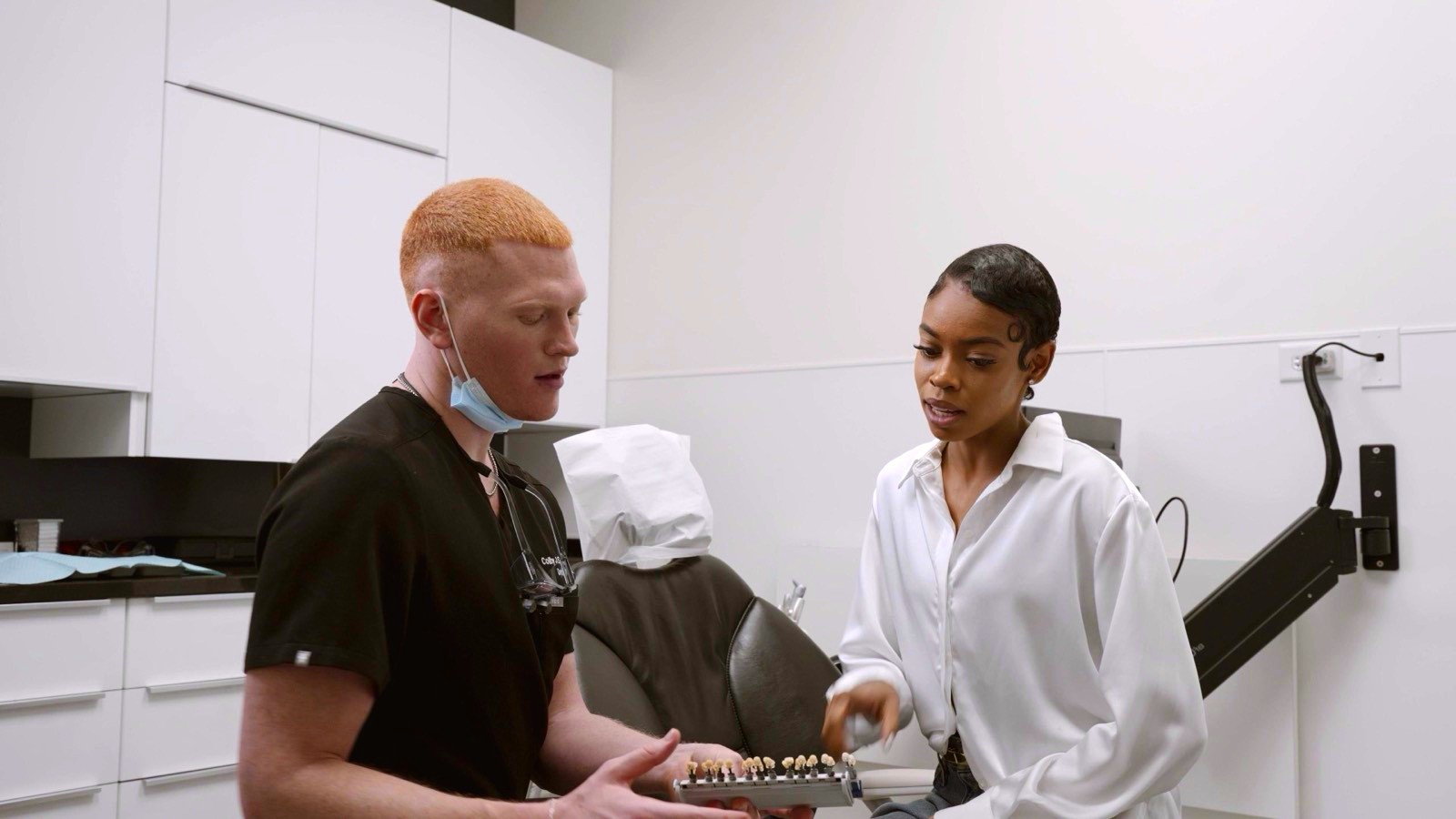
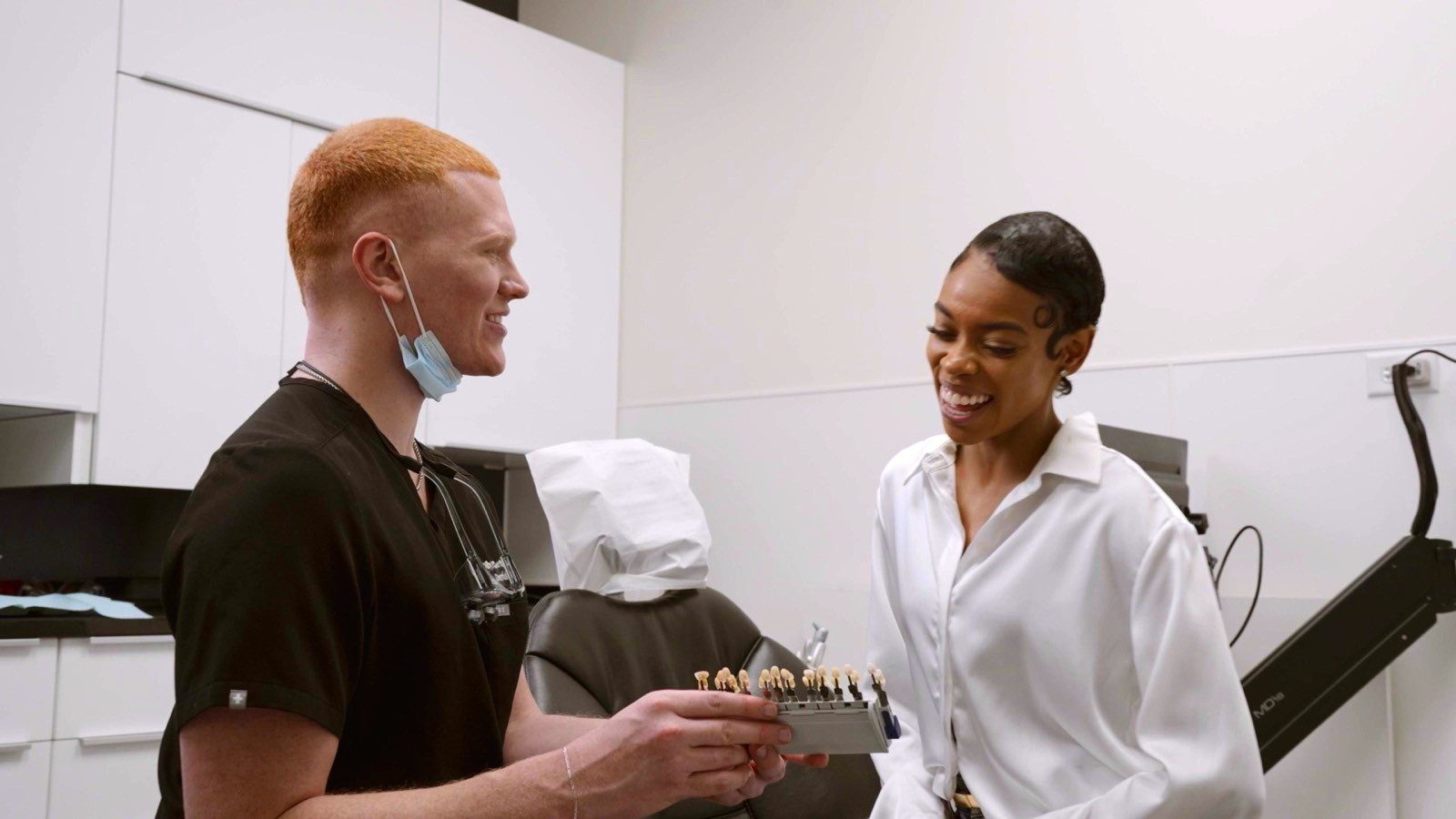
    Your teeth are matched against a shade guide, so you can measure the change afterward, not only see it in the mirror.

  3. 03

    Your gums protected

    A protective gel covers your gums, and your lips and cheeks are held gently away, so the whitening gel stays on your teeth.

  4. 04

    The whitening gel

    A professional-strength gel goes on the front of your teeth, usually in a few short rounds, with some systems adding a light.

  5. 05

    The new shade

    We rinse, compare your shade with where you started, and go over how to keep it.

The session usually takes about an hour, and you can go straight back to your day.

“He explains everything in depth and answered all of my questions! The Pearl office is modern and inviting which instantly calmed all my nerves!”
Autumn F., in a Google review
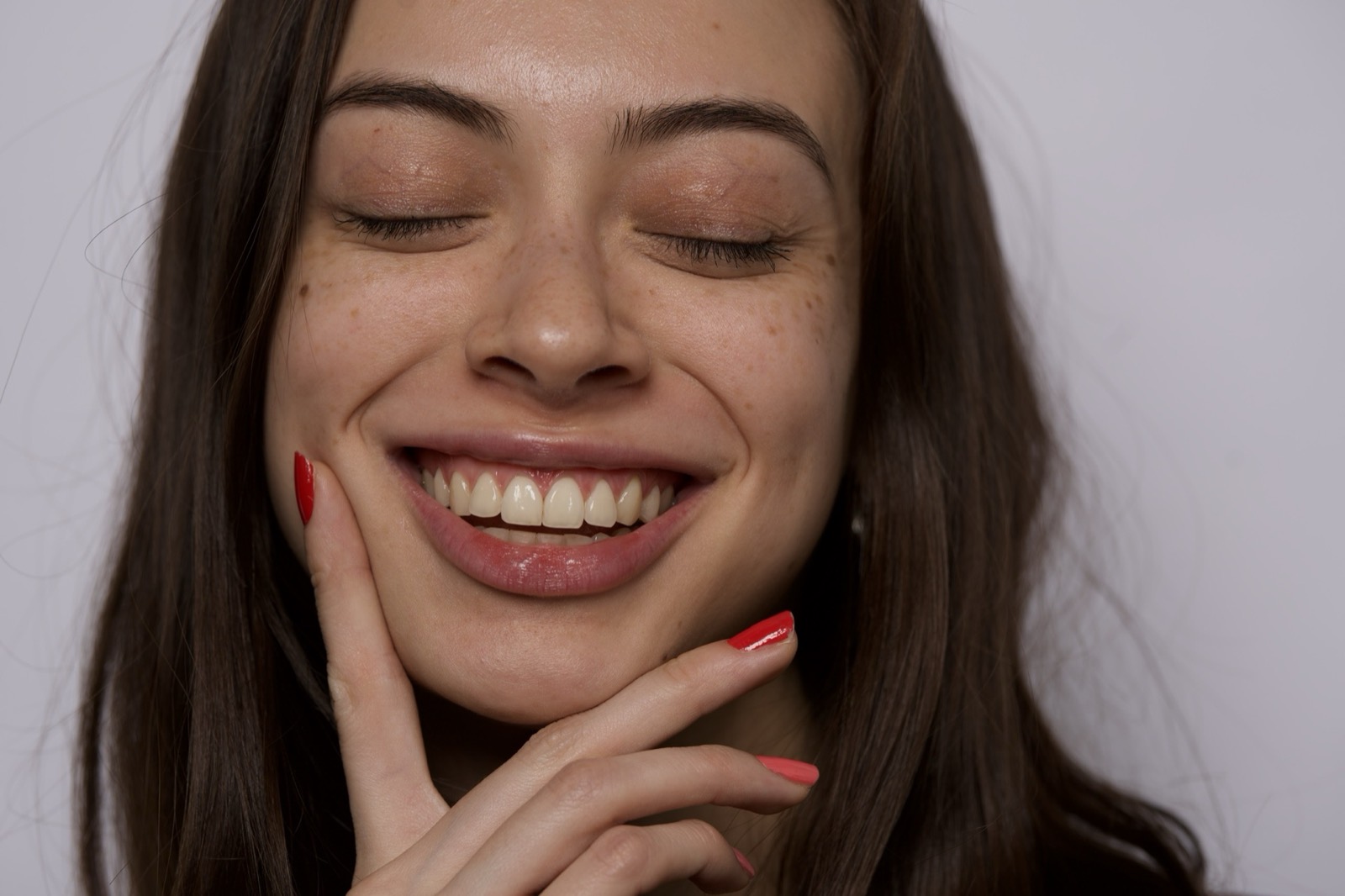
A woman smiling, her hands on her cheeks

A white that still looks natural

How white your teeth get depends on your natural shade and on what’s causing the color. Yellow and light brown stains from coffee, tea, wine and age usually whiten well. Gray or blue-gray discoloration, from certain antibiotics taken in childhood or a tooth that darkened after an injury, responds more slowly and sometimes not at all.

We aim for a shade that suits your skin and the whites of your eyes, so your teeth look bright and healthy rather than painted. If whitening can’t reach the shade you want, bonding or veneers can, and we’ll tell you that before you start.

A woman laughing, eyes closed

In-office or take-home whitening

The difference is speed, strength and who applies the gel. In-office whitening uses a stronger gel, applied and watched by the dental team, so you see a clear change in a single visit.

Take-home whitening uses trays made to fit your teeth and a milder gel you wear for a set time each day or overnight, usually for one to two weeks. It’s slower but often easier on sensitive teeth, and you can keep the trays for top-ups later. Many people start in the office and use trays to maintain the shade.

The right whitening for your teeth

We offer Philips Zoom, Opalescence and Colgate Optic White. Each comes in different strengths and formats, and the right one depends on your stains, how sensitive your teeth are and how quickly you want to see a difference. We’ll go through them with you and recommend the one that fits, not the strongest by default.

Professional teeth whitening: what to expectVideo · 1:12
Dr. Colby on what to expect from professional whitening

Does teeth whitening hurt?

Usually not, though your teeth may feel sensitive for a day or two. The gel opens the enamel’s pores for a while, so teeth can twinge with cold or ache a little. It’s normal and it passes.

If your teeth are already sensitive, tell us, and we’ll plan around it. A gentler gel, shorter rounds and a sensitivity toothpaste for a week or two beforehand all help.

How long does teeth whitening last?

Usually from six months to a few years. Teeth slowly pick up color again, faster if you drink coffee, tea or red wine every day or smoke.

Brushing twice a day, regular cleanings and an occasional top-up keep the shade where you want it, without whitening more than you need.

Whitening around crowns, veneers and fillings

Crowns, veneers and fillings don’t whiten, because porcelain and composite keep the color they were made in. If you have them on your front teeth, whitening can leave them looking darker than the teeth beside them.

When you’re planning new crowns, veneers or bonding, whiten first. The new work is then matched to your whiter shade, and nothing stands out.

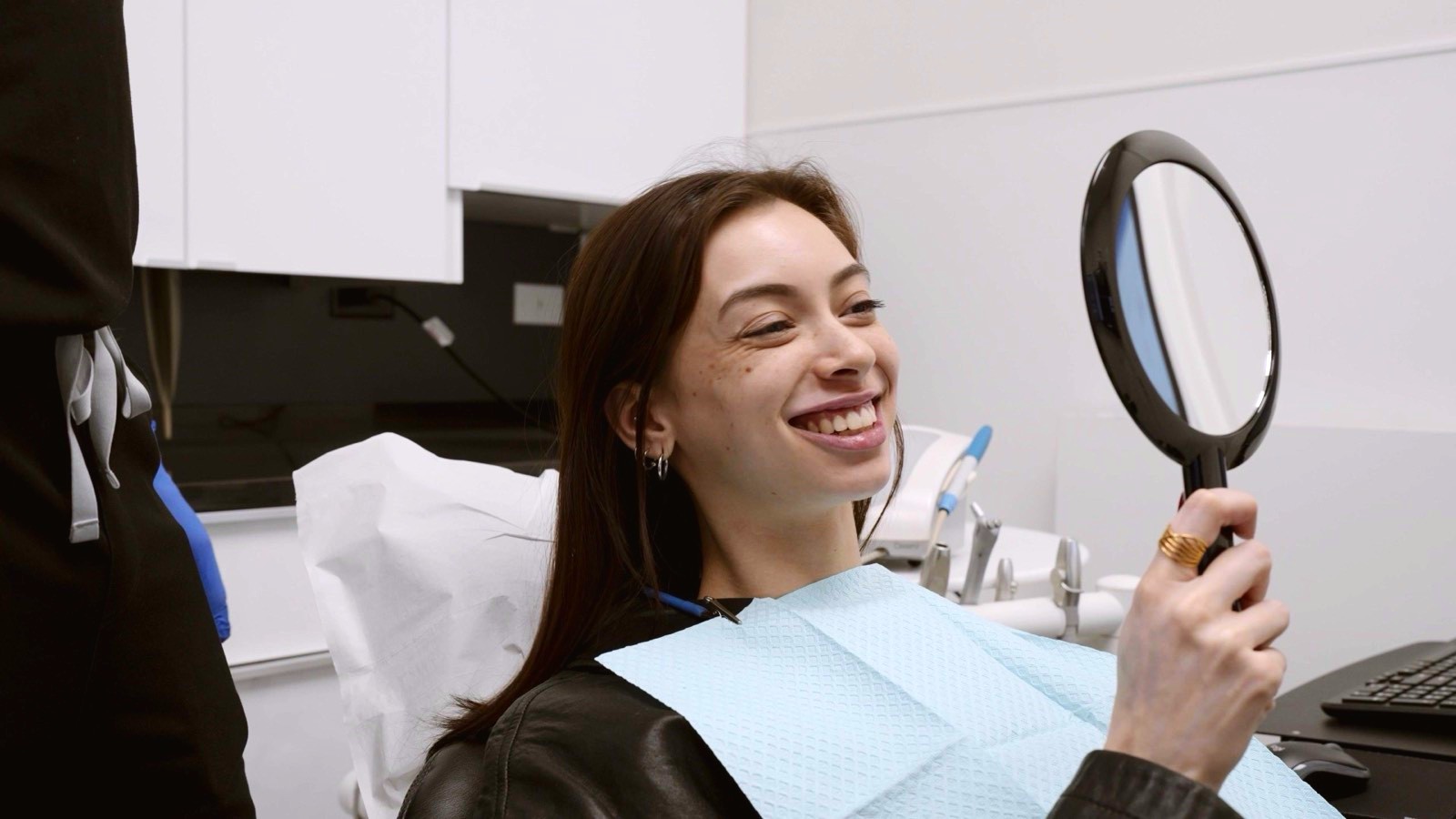
A patient checking her smile in a hand mirror

Professional whitening versus strips

For most people, professional whitening works better than strips. Strips use a weaker gel on a one-size strip, so they often miss the curve of the teeth and the spaces between them, and the gel can sit on your gums. Results tend to be slower and less even.

Professional whitening is stronger, it fits your teeth, and it starts with a check that nothing needs treating first. Whitening toothpaste is different again: it polishes off surface stains, but it doesn’t change the color of the tooth.

Is teeth whitening safe for your enamel?

Yes, when it’s used as directed. Peroxide whitening at professional strength, supervised by a dentist, doesn’t weaken healthy enamel. The damage comes from overuse, and from home remedies like lemon juice, baking soda and charcoal powder, which scratch the enamel away.

“He listened carefully, respected that I wanted a natural result, and didn’t try to upsell for any unnecessary treatments.”
Stephanie S., in a Google review
A couple laughing together

Why do teeth turn yellow?

Mostly from what we eat and drink, and from age. Coffee, tea, red wine, dark sauces and tobacco leave stains in the enamel. Over the years the enamel also thins, and more of the yellower layer underneath, the dentin, shows through. So if brushing harder hasn’t helped, you aren’t doing it wrong.

Some color comes from inside the tooth: certain medications, too much fluoride while teeth were forming, or a knock that damaged a tooth’s nerve. Those stains whiten less predictably, which is one reason we look before we whiten.

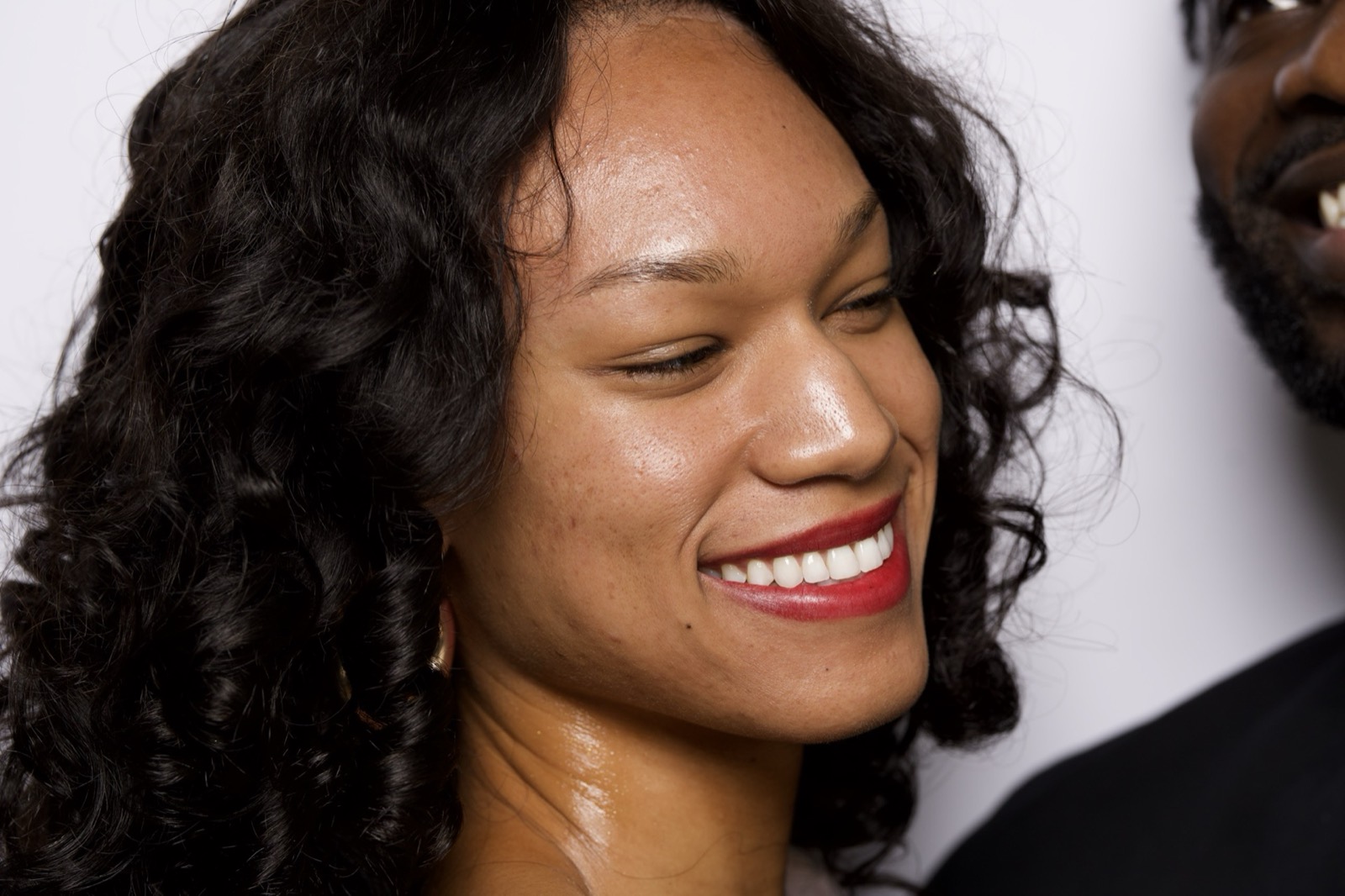
A man with a wide smile

Caring for your teeth after whitening

Right after whitening, the enamel takes up stain more easily, so a little care now keeps the shade for longer.

  • For 48 hours, skip coffee, tea, red wine, cola, berries, soy sauce and tomato sauce, and don’t smoke.
  • After that, drink dark drinks through a straw, or rinse with water afterward.
  • Brush twice a day with a fluoride toothpaste; a whitening toothpaste helps with surface stains.
  • Keep up your cleanings every six months; polishing takes off new surface stains.
  • Top up when you notice the color returning, rather than whitening on a schedule.

When we’ll tell you to wait

Anyone pregnant or breastfeeding should wait, and teens are usually advised to wait until their mid-teens. Cavities, gum disease and exposed roots need treating first, because the gel can reach the nerve through them and hurt. If your front teeth are mostly crowns or veneers, whitening won’t change them, and we’ll talk about other options rather than sell you a whitening that can’t work.

Start with a consultation

We check your teeth and gums, record your starting shade and look at any crowns or fillings that won’t whiten. Then we go through the options, the timeline and the cost, before you decide anything. We’re at 1009 W Webster Ave, across from St. Vincent de Paul Church.

Book a consultation

Meet Dr. Colby

Dr. Colby James Gerth, DMD, earned his Doctorate in Dental Medicine at Midwestern University and has practiced in Chicago since 2020. He opened Pearl in Lincoln Park in 2025 as a cosmetic-focused practice, where every treatment is planned around how your smile looks.

Meet Dr. Colby

Common questions

How long does teeth whitening last?

Usually six months to a few years. It fades faster with daily coffee, tea, red wine or smoking, and an occasional top-up keeps the shade.

How much does teeth whitening cost?

It depends on the option you choose. We’ll give you the cost before you start. Insurance rarely covers whitening, because it’s cosmetic.

How many shades whiter will my teeth get?

It varies with your natural shade and the kind of stain. Yellow stains from coffee and age usually lighten well; gray stains lighten less. We aim for the shade that looks natural on you, not the lightest one possible.

Can I whiten my teeth if I have veneers or crowns?

Yes, but they won’t change color, only your natural teeth will. If they’re on your front teeth, we’ll plan so the shades still match.

Can I drink coffee after teeth whitening?

Wait 48 hours if you can. After that, a straw or a rinse with water afterward helps keep the new shade.

Is teeth whitening safe during pregnancy?

It’s best to wait. There’s little research on whitening during pregnancy or breastfeeding, so dentists advise postponing it.

Do whitening toothpastes work?

Only on surface stains. They polish stains off the enamel but don’t change the color of the tooth itself. Professional whitening does that.

How often can I whiten my teeth?

Top up when the color starts to return, often once or twice a year with trays. Whitening more often than you need adds sensitivity, not whiteness.

Will whitening get rid of white spots?

Not always. White spots can stand out more for a day or two, then usually blend in as the rest of the tooth lightens. Bonding can cover the ones that stay.

Something else on your mind? Call (312) 858-7067 or see all our questions and answers.

Related care

All treatments

Find the right shade for you

Book a consultation online or call us, and we’ll help you choose the option that suits your teeth.