Gum disease treated gently, and only as much as your gums need, with a clear look at what’s happening before anything is done.

Gum disease treatment in Lincoln Park

Gum problems are easy to put off: a little pink in the sink when you brush, gums that look puffier than they used to, a tooth that seems longer, breath a mint doesn’t fix. None of it usually hurts, so it’s easy to ignore for years. Found early, gum disease is much simpler to stop, which matters, because it’s one of the most common reasons adults lose teeth. If you’ve been putting it off, come anyway. We’ll start from where you are.

Because it’s quiet, it’s also easy to be told you need a deep cleaning without ever seeing why. At Pearl, in Chicago’s Lincoln Park, gum care starts at every checkup, where we look at the gum around each tooth and show you what we find. When there’s gum disease, we treat it with scaling and root planing, a deep cleaning, then keep it in check with periodontal maintenance visits. When a regular cleaning is enough, that’s what you’ll hear.

“Dentistry is not just about fixing teeth; it’s about confidence, self-image, trust, and quality of life.”
Dr. Colby
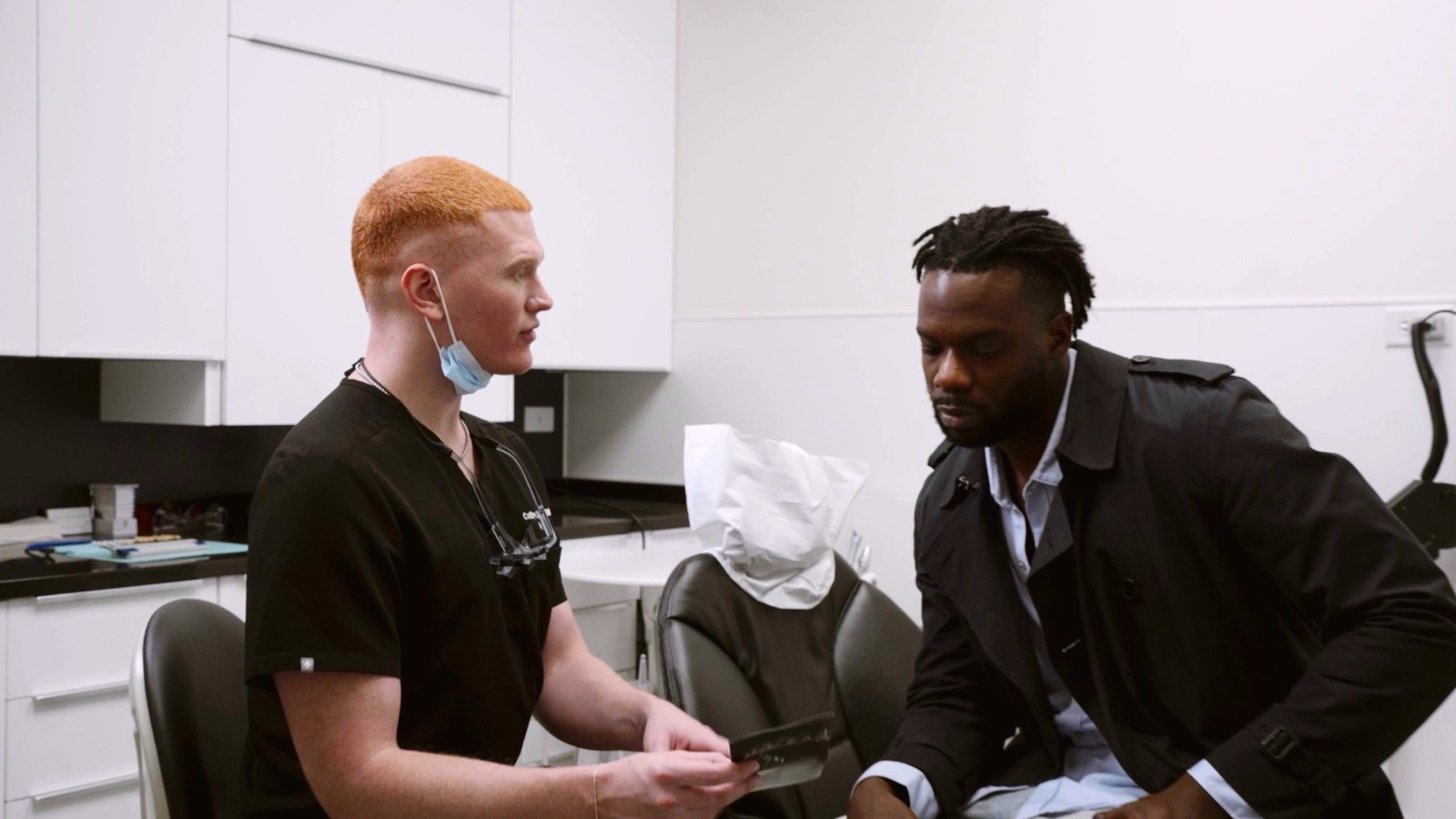
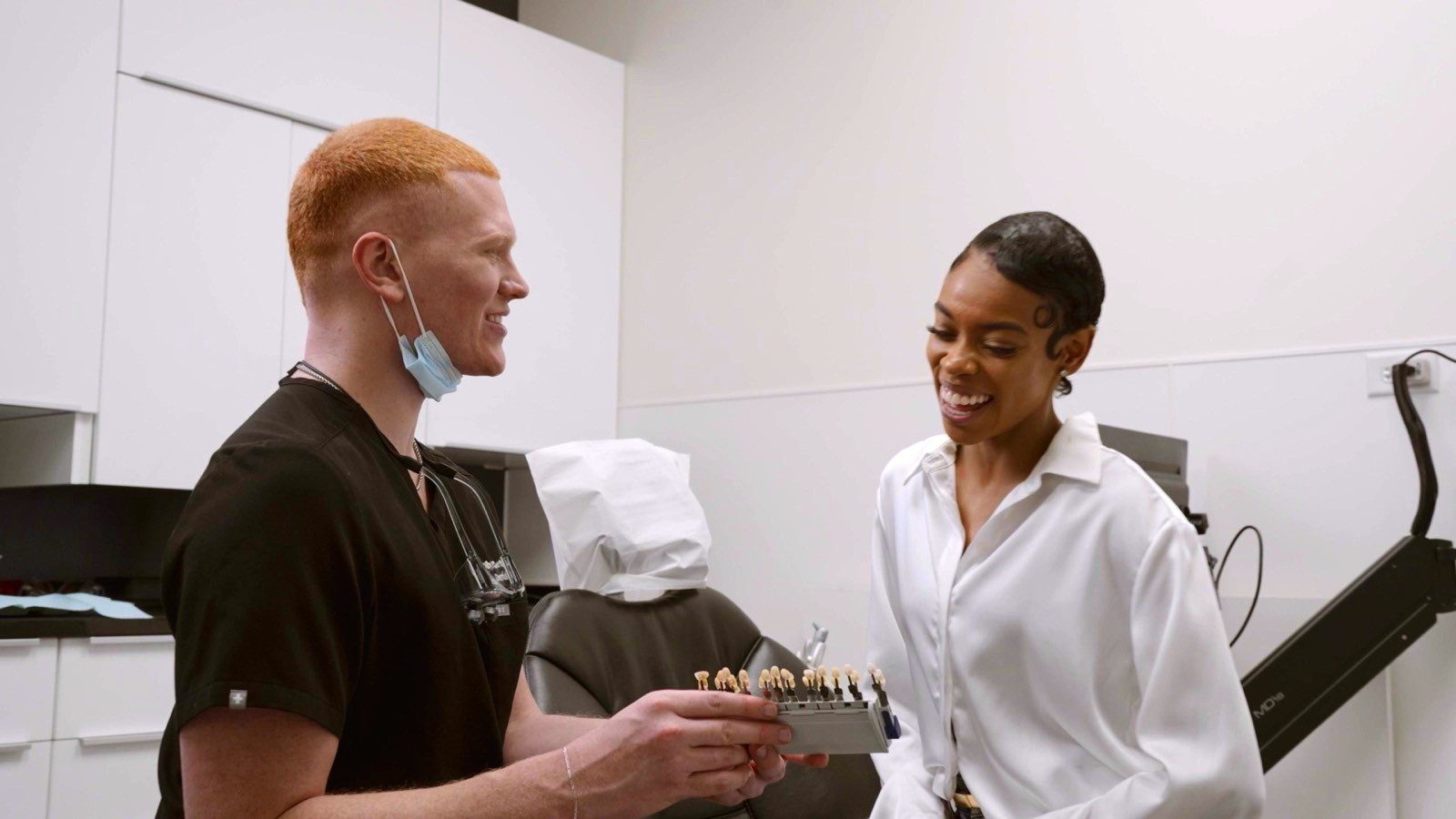
Dr. Colby talking a patient through what he found

Early signs of gum disease

Bleeding is usually the first. Gum disease rarely hurts until it’s advanced, so the signs are easy to explain away. These are worth acting on:

  • Gums that bleed when you brush or floss
  • Red, swollen or tender gums
  • Bad breath or a bad taste that keeps coming back
  • Gums pulling back, so teeth look longer
  • Teeth that feel loose or have started to shift

Can gum disease be reversed?

In its early stage, yes. Gingivitis is inflammation of the gums alone, and a professional cleaning plus good brushing and flossing at home usually clears it within a couple of weeks.

Left alone, it can become periodontitis: the gum pulls away from the tooth, pockets form where bacteria collect out of reach, and the bone that holds the tooth slowly wears away. Lost bone doesn’t grow back on its own, but treatment stops the damage and lets the gums heal and tighten.

Receding gums change a smile too, making teeth look longer and leaving dark gaps between them. Those changes are much easier to prevent than to hide later, so we’d rather catch them at a routine checkup.

“He is skilled, professional, and caring, and really goes the extra mile to make sure we are comfortable with the dentistry as well as in the treatment experience.”
Claudia R., in a Google review

A deep cleaning, explained step by step

Scaling and root planing, often called a deep cleaning, treats gum disease below the gumline. It’s often split into two visits, one side of the mouth at a time, so each one is shorter, and we explain each step before we start it.

  1. 01

    Measuring the pockets

    A thin, gentle probe measures how far the gum has pulled away from each tooth, and X-rays show the bone around the roots.

  2. 02

    Numbing the area

    The area is numbed, so the cleaning below the gum is comfortable.

  3. 03

    Scaling

    Plaque and hardened tartar are removed from the teeth and roots, down to the bottom of each pocket.

  4. 04

    Root planing

    The root surfaces are smoothed, so bacteria have less to cling to and the gum can reattach.

  5. 05

    Checking the healing

    A few weeks later the pockets are measured again, so you can see how far they’ve closed and we can plan what comes next together.

Does a deep cleaning hurt?

Usually not during it, because the area is numbed. Afterward the gums can feel tender and the teeth sensitive to cold for a few days, and an over-the-counter pain reliever helps.

Tell us if anything feels sensitive and we’ll pause. Many of our patients came to us nervous about the dentist, and we’d rather slow down than rush you.

How long do gums take to heal after a deep cleaning?

Most of the tenderness settles within a week. The gums keep tightening for several weeks after that, which is why the pockets are usually measured again four to six weeks later.

Bleeding when you brush should ease as they heal. Keep cleaning gently along the gumline the whole time.

Your gums and your overall health

Gum disease is linked to several conditions, including diabetes, heart disease and complications in pregnancy, and diabetes and gum disease each make the other harder to control.

Researchers are still working out how much is cause and effect. It’s one more reason to treat gums that bleed as worth a visit, even when nothing hurts.

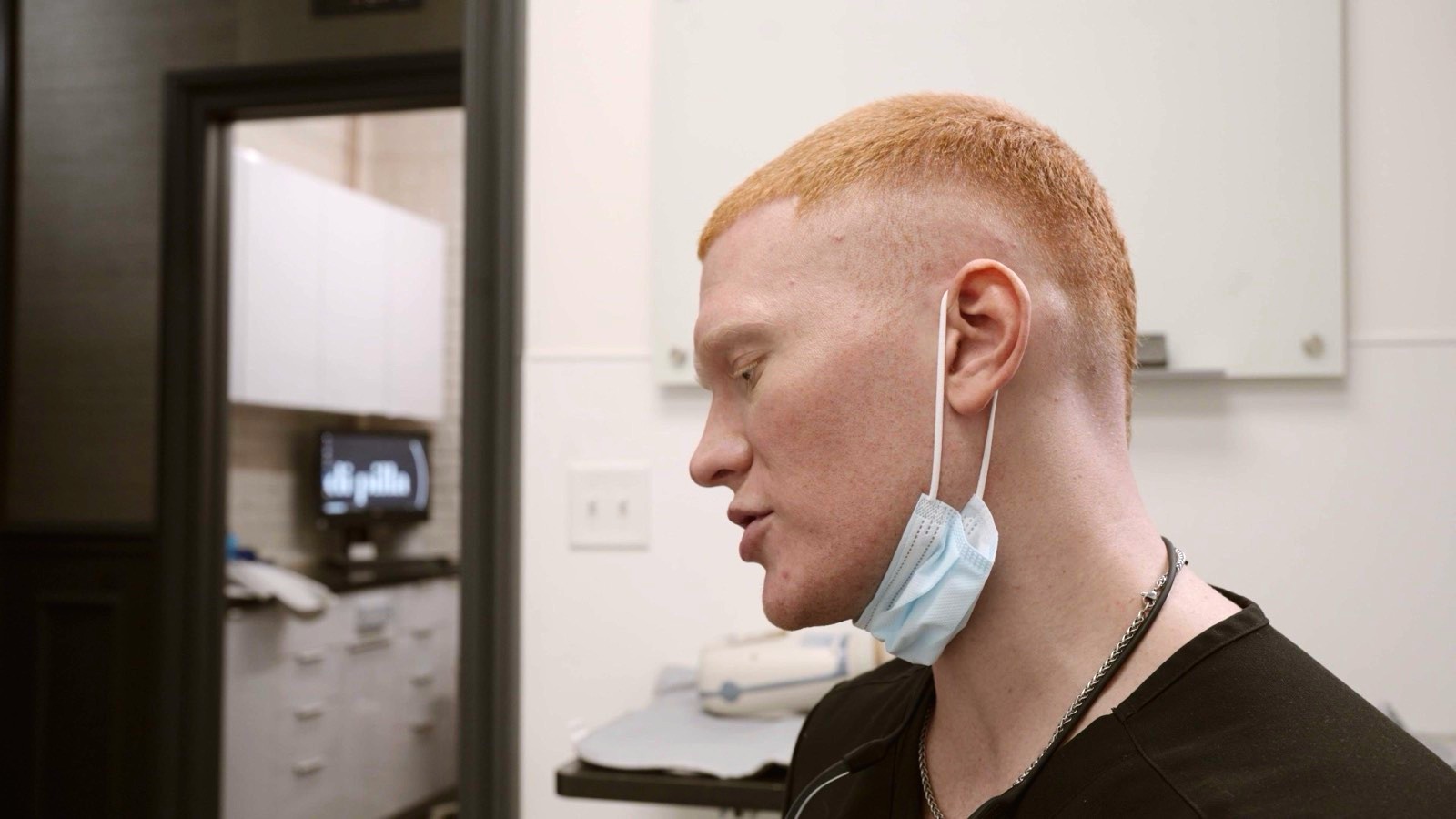
Dr. Colby, mask down, listening to a patient

Maintenance visits, only as often as you need them

Periodontal maintenance is a cleaning schedule for gums that have had gum disease, usually every three or four months instead of six.

After a deep cleaning the pockets are smaller, but bacteria can build back up in them within about three months, sooner than a regular cleaning interval allows. Each maintenance visit cleans below the gumline, measures the pockets again and catches any spot that’s getting worse while it’s still small. Once your gums stay stable, some people can go back to every six months, and we’ll tell you when that’s you.

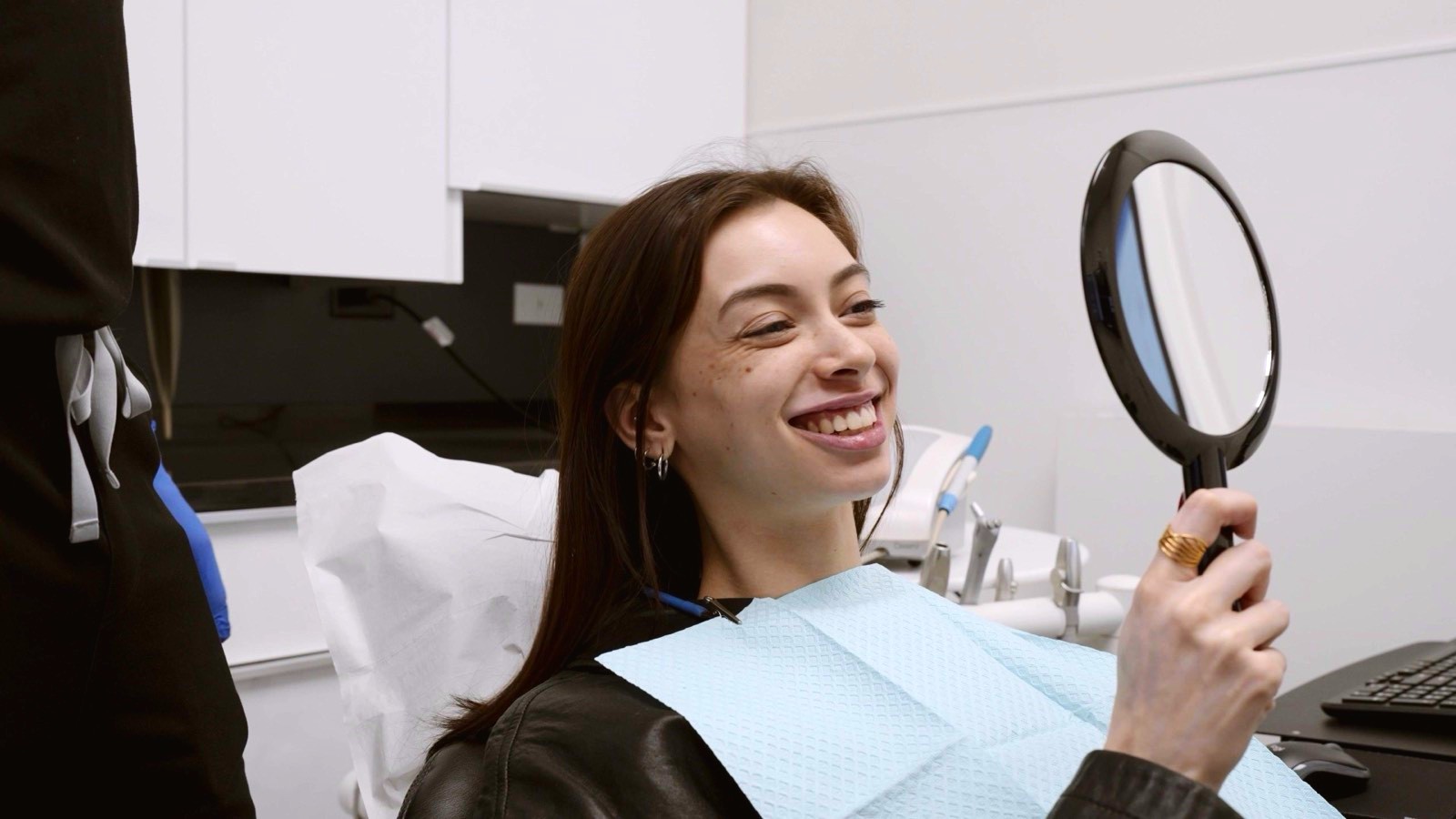
A patient smiling at her reflection in a hand mirror

Daily habits that protect your gums

A few daily habits keep the pockets small and the gums tight between visits.

  • Brush twice a day for two minutes with a soft brush, angled toward the gumline. Pressing harder doesn’t clean better and can wear the gums back.
  • Clean between your teeth every day, with floss, interdental brushes or a water flosser. If your gums bleed, keep going gently; it usually settles.
  • Keep your maintenance visits, even when your gums feel fine.
  • Smoking and vaping slow healing and hide bleeding, so stopping helps your gums heal.
  • If you have diabetes, keeping your blood sugar steady helps your gums too.
Dental advice that sounds right (but isn’t)Video · 0:15
Dr. Colby on dental advice that sounds right but isn’t, from bleeding gums to brushing harder

Not sure about your gums?

Book an exam and we’ll check the gum around every tooth, take X-rays if they’re due, and explain what we find and what treatment would involve before anything is booked. We’re at 1009 W Webster Ave, across from St. Vincent de Paul Church, with street parking nearby.

Book a visit

Meet Dr. Colby

Dr. Colby James Gerth, DMD, earned his Doctorate in Dental Medicine at Midwestern University and has practiced in Chicago since 2020. He opened Pearl in Lincoln Park in 2025, a practice that takes the time to explain your care before anything is done.

Meet Dr. Colby

Common questions

How much does gum disease treatment cost?

It depends on how many areas need treatment. After your exam you’ll hear your options and the cost before you decide, and most dental plans cover part of a deep cleaning.

Do I need a deep cleaning, or will a regular cleaning do?

Only an exam can tell. A regular cleaning can’t reach tartar deep under the gum, so with gum disease it leaves the cause behind. You’ll only hear about a deep cleaning if your exam shows you need one, and we’ll show you why.

Can I eat after scaling and root planing?

Yes, once the numbness wears off. Soft food, and nothing very hot or cold for a day or two, is kinder to tender gums.

Why are my gums receding?

Usually gum disease, brushing too hard, or clenching and grinding, and sometimes it runs in families. Receded gum doesn’t grow back on its own, so the aim is to find the cause and stop it going further, before it changes how your smile looks.

Can gum disease cause bad breath?

Yes. Bacteria in the pockets under the gum produce a smell that brushing doesn’t reach, so bad breath that won’t go away is worth having checked.

Is gum disease contagious?

Not in the usual sense. The bacteria involved can pass between people through saliva, but whether gum disease develops depends mostly on your own gums, habits and health.

How often do I need periodontal maintenance?

Usually every three or four months after a deep cleaning. Some people can go back to every six months once their gums stay stable.

Something else on your mind? Call (312) 858-7067 or see all our questions and answers.

Related care

All treatments

Let’s look at your gums

Book online or call us. We’ll show you what we find, and suggest only what your gums need. There’s street parking nearby.