A thin guard made to fit your teeth, comfortable enough to sleep in, so grinding wears the guard instead of your enamel. We’ll help you find out why you grind, too.

Night guards for teeth grinding in Lincoln Park

You wake up with a sore jaw or a dull headache at your temples. Your partner says they can hear you grinding at night. Or a dentist points out edges that have worn flat, a small chip, a filling that keeps cracking. Grinding and clenching, called bruxism, mostly happen in your sleep, so the wear often shows before you know you do it.

At Pearl, in Chicago’s Lincoln Park, we make custom night guards, also called occlusal guards, fitted to your teeth so the guard takes the force of grinding instead of your enamel. Enamel doesn’t grow back, so the sooner the wear is caught, the more of your own teeth you keep.


“Dr. Colby took the time to hear me out and ask questions. I now am going to try to get Invisalign and botox after learning more about my teeth and TMJ.”
Venezia N., in a Google review
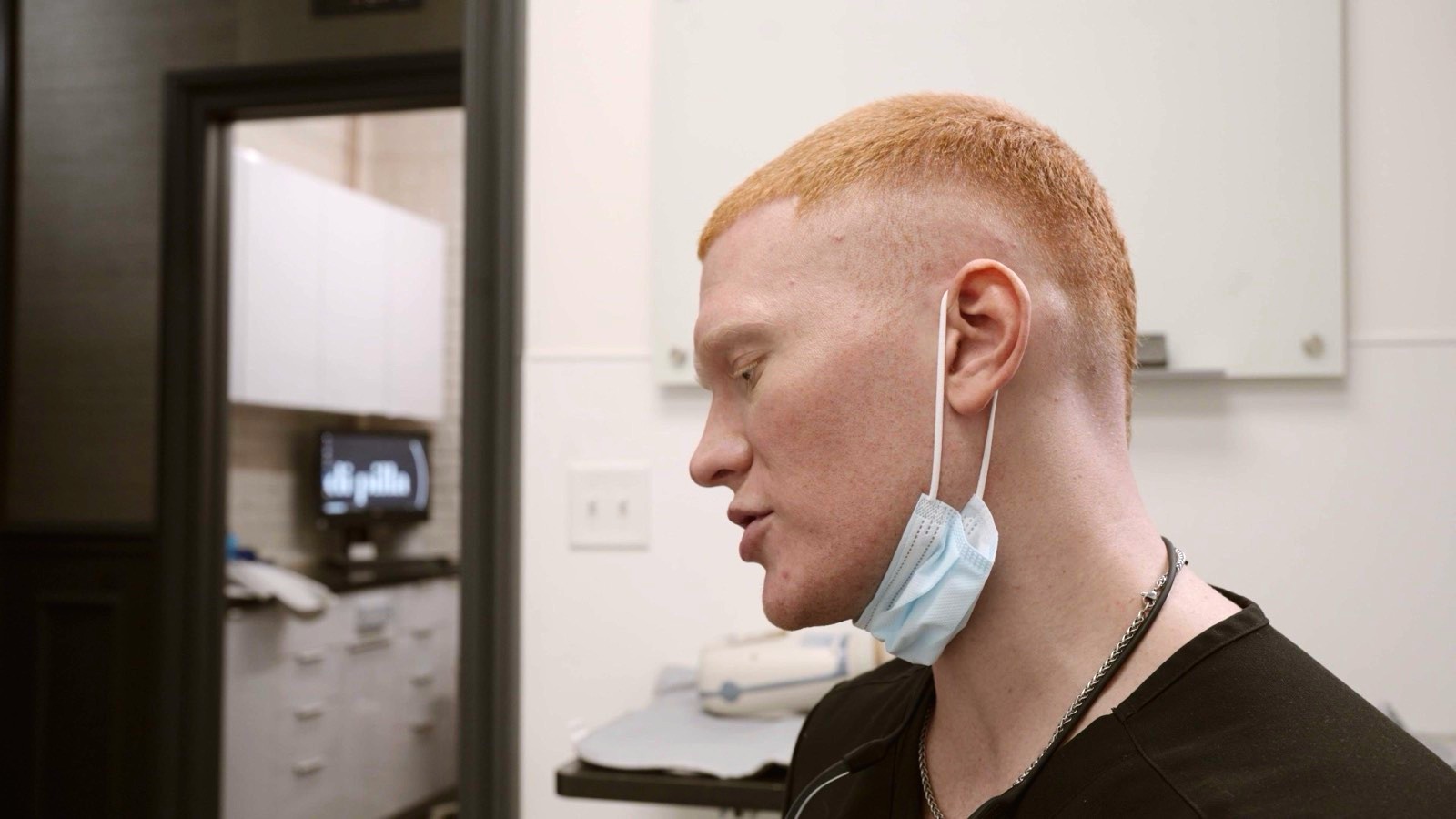
Dr. Colby, mask down, listening to a patient

Do I grind my teeth at night?

Many people grind without knowing it. Most grinding happens during sleep, so the clues show up in the morning and in your teeth.

  • A sore, tired or tight jaw when you wake up
  • Headaches around the temples first thing in the morning
  • Teeth that look shorter, flatter or chipped at the edges
  • Teeth that have turned sensitive to cold
  • Fillings or crowns that crack or come loose
  • A partner who hears you grinding at night
“He explains everything in depth and answered all of my questions!”
Autumn F., in a Google review

What causes teeth grinding?

Usually a mix of things. Stress is the most common, and grinding often gets worse in busy, anxious stretches. Caffeine, alcohol, smoking and some medications, including certain antidepressants, can add to it.

Grinding is also linked to how you breathe and sleep. Mouth breathing, snoring and poor sleep can all be connected to it, so if you snore or wake up tired, tell us. A guard protects your teeth, and finding out why you grind helps you deal with the cause.

Protecting your teeth, and the work on them

A night guard doesn’t stop the grinding. It protects your teeth from it. A night guard is a thin, smooth layer between your upper and lower teeth, so the grinding wears the guard instead of your enamel. Many people also wake with less jaw ache, because the teeth glide over the guard instead of locking together.

If you have veneers, crowns or bonding, a guard protects that work too. Grinding can chip porcelain and wear down bonding just as it wears your own teeth, so when we plan cosmetic work for someone who grinds, we plan a guard with it.

Fitted to your teeth and the way you bite

It’s made from a mold of your own teeth, so it fits closely without being bulky.

  1. 01

    We look first

    We check your teeth for wear, feel the jaw joints and muscles, and look at how your bite meets.

  2. 02

    Impressions

    We take impressions or a scan of your upper and lower teeth.

  3. 03

    Your guard is made

    It’s shaped to your teeth and to the way your jaws close.

  4. 04

    The fitting

    We check that it snaps on snugly and adjust it so your teeth meet it evenly.

  5. 05

    The first few nights

    It can feel odd for the first few nights. If it still feels tight or makes a spot sore after a week, come back and we’ll adjust it.

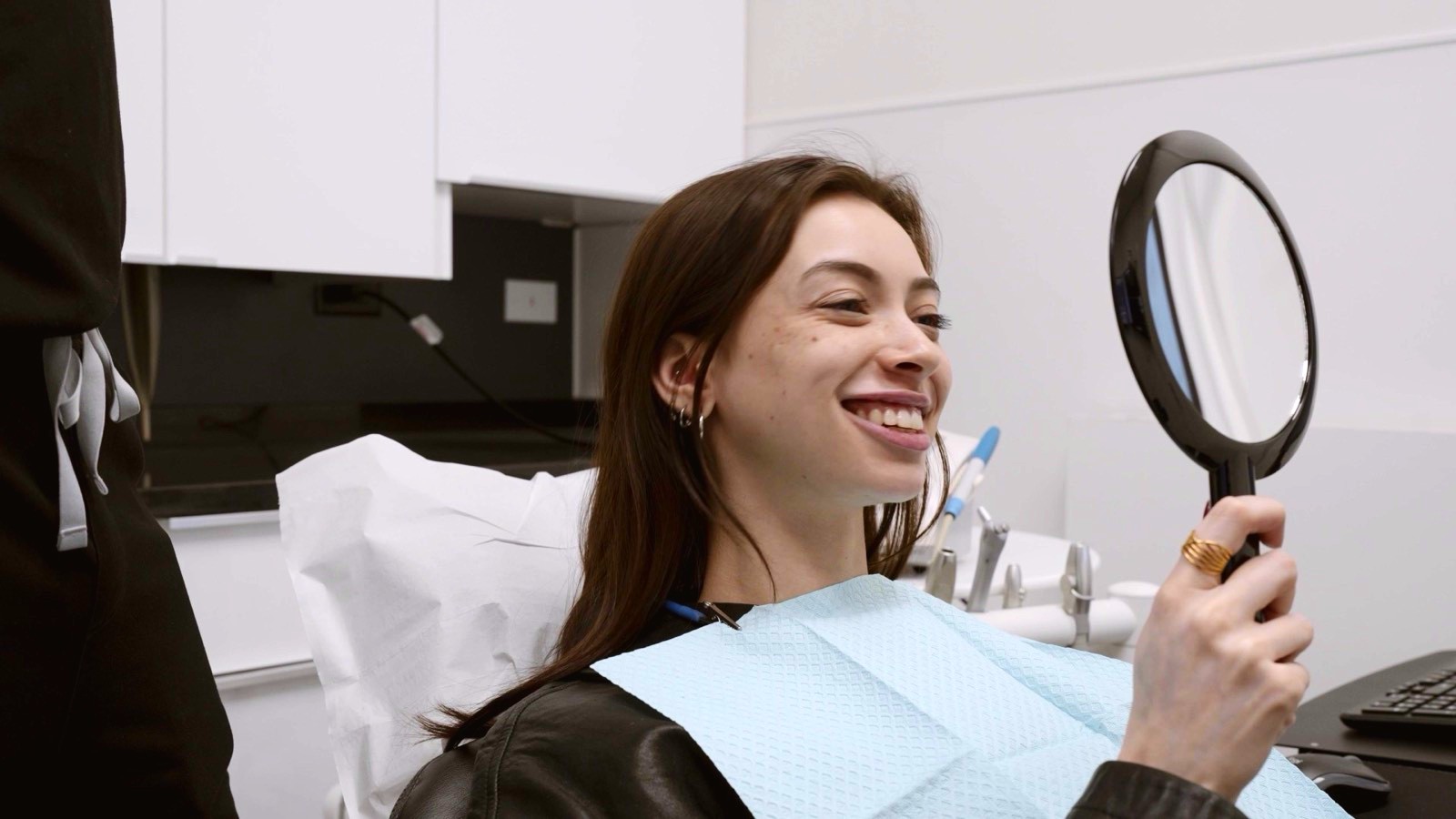
A patient laughing as she checks her smile in a hand mirror

Custom night guards and drugstore guards

For most people who grind, a custom guard is the better choice. Boil-and-bite guards are thicker and looser, so they’re harder to sleep in, and some people chew on them, which can make clenching worse. Heavy grinders often wear through them in months.

A custom guard is thinner, fits snugly and is shaped so your bite meets it evenly. That matters, because a guard only protects your teeth on the nights you wear it. Looked after, it usually lasts years, so you’re not replacing it every few months.

Caring for your night guard

  • Rinse it in cool water every morning and brush it gently with a soft toothbrush. Skip the toothpaste, which scratches it.
  • Let it dry before it goes back in its case.
  • Keep it in a vented case, away from heat and away from the dog.
  • Never use hot water, which can warp it.
  • Bring it to your checkups so we can look at the wear and the fit.

Start with what you’ve noticed

Tell us what you’ve noticed, from a sore jaw in the morning to a chipped edge. We look at your teeth, jaw and bite and show you what we find before we suggest a guard. We’re at 1009 W Webster Ave, across from St. Vincent de Paul Church, with street parking nearby.

Book a visit

Meet Dr. Colby

Dr. Colby James Gerth, DMD, earned his Doctorate in Dental Medicine at Midwestern University and has practiced in Chicago since 2020. He opened Pearl in Lincoln Park in 2025, where every treatment, down to a small filling, is done with how your smile looks in mind. Grinding wears edges flat and makes teeth look shorter, so a guard is part of that care too.

Meet Dr. Colby

Common questions

Does insurance cover a night guard?

Sometimes, in part. Some dental plans cover a night guard when there’s documented wear from grinding; others don’t cover it at all. Bring your insurance details and ask us about yours.

Can a night guard help with TMJ pain?

It can for some people. By keeping the teeth from locking together, a guard can ease strain on the jaw muscles and joint. Jaw pain has several causes, so pain that lasts, or a jaw that clicks and locks, needs an exam first.

How long does a night guard last?

Usually several years for a custom guard, depending on how hard you grind. Replace it when it cracks, wears thin or stops fitting snugly.

Is a night guard the same as a sports mouthguard?

No. A sports mouthguard is thick and soft, to cushion a blow. A night guard is thinner, made to stand up to grinding, and comfortable enough to sleep in.

Will a night guard stop me snoring?

No. A night guard protects your teeth; it isn’t made to keep your airway open. If you snore or wake up tired, tell us so it can be looked into.

Do children need night guards?

Rarely. Grinding is common in children and most outgrow it, and a guard isn’t usually fitted while teeth and jaws are still growing. Mention it at their checkup.

Something else on your mind? Call (312) 858-7067 or see all our questions and answers.

Related care

All treatments

Waking up with a sore jaw?

Book a visit online, or call us, and we’ll look at what your teeth are telling us.