We try to save your tooth first. If it has to come out, you’re fully numbed, nothing is rushed, and you’ll know what replaces it before it’s gone.
Tooth extraction in Lincoln Park
Most people who need a tooth out have known for a while: a tooth that broke off at the gumline, decay that went too deep to repair, a wisdom tooth that keeps swelling up at the back, or a tooth gone loose from gum disease. Others are told before braces or aligners that there isn’t room for every tooth. A tooth extraction is usually quicker and easier than people fear, and the soreness afterward usually eases within a few days.
At Pearl, in Chicago’s Lincoln Park, we do simple and surgical extractions, but we’d always rather keep your tooth. Before anything is done, we show you on your X-ray why it can’t be saved and talk through what will replace it, so you know how your smile will look before the tooth is gone.
“I’ve had quite a bit of dental work done with them, including Invisalign, fillings, and a tooth extraction, and they’ve been great every step of the way.”
Javier Z., in a Google review
When does a tooth need to be pulled?
When keeping it would cause more trouble than it’s worth. The usual reasons are decay or a crack that reaches below the gumline or into the root, an infection that won’t settle, a tooth loosened by advanced gum disease, a wisdom tooth with no room to come through, or crowding before orthodontic treatment.
Pain alone isn’t one of them. A tooth that hurts can often be treated and kept, so we look closely before anything is decided.
Saving your tooth comes first
Often a tooth can be saved. A tooth with a deep infection can usually be kept with a root canal and a crown, and a broken tooth with a crown or a build-up. When a tooth can be repaired and will last, keeping it is usually the better choice.
When it can’t, we’ll show you why on your X-ray, and you’ll hear your options and the cost before you decide. We won’t take out a tooth that can be kept, and we won’t suggest saving one that’s likely to fail again.
Your extraction, step by step
You’re fully numb before we start, and we tell you what’s coming before each step. A simple extraction usually takes well under an hour, much of it waiting for the numbing to work.
01
Your history and an X-ray
Your medications matter, especially blood thinners, and the X-ray shows the shape of the roots, so nothing comes as a surprise halfway through.
02
Numbing
The tooth and the gum around it are numbed fully before anything else happens.
03
Loosening the tooth
The tooth is gently rocked to widen its socket. You’ll feel firm pressure, but not sharp pain. Tell us if you do and we’ll stop.
04
Removing it
A simple extraction lifts the whole tooth out. A surgical one may need a small opening in the gum, or the tooth taken out in sections so it comes out with less force.
05
Closing up
Gauze to bite on, sometimes a stitch or two, and your aftercare instructions to take home.
Simple and surgical extractions
A simple extraction is for a tooth you can see above the gum, removed whole. A surgical extraction is for a tooth that has broken at the gumline, has curved or long roots, or hasn’t come through. The gum is opened a little, and sometimes the tooth is divided so it comes out in pieces with less force.
Both are done with the area fully numbed. Most people are back at work the next day after a simple extraction, or within a few days after a surgical one, and you’ll know which yours is before the day.
Do wisdom teeth always need to come out?
No. Wisdom teeth that have come through straight, can be cleaned and don’t cause trouble can stay, and we won’t suggest taking out a healthy one just because it’s there. They’re removed when they’re stuck under the gum or bone, keep getting infected, are decaying, or are pushing on the teeth in front.
Some wisdom teeth sit deep in the jaw, close to a nerve, and are best removed by an oral surgeon. Your X-ray will show where yours are.
Caring for yourself after a tooth extraction
A blood clot forms in the socket in the first hours, and protecting it is most of the work. For the first few days:
Bite on the gauze for 30 to 60 minutes, and take it easy for the rest of the day.
Use a cold pack on your cheek, on and off, for the first day.
Eat soft, cool food and chew on the other side.
Skip straws, smoking and vaping, and don’t spit hard: suction can pull the clot out.
From the next day, rinse gently with warm salt water after meals, and keep brushing your other teeth.
Take pain relievers as we advise.
Most of the soreness eases within three or four days. If a throbbing pain starts a few days later and spreads toward your ear, the clot may have come out, called a dry socket. It’s easily treated, so call us rather than wait it out.
Call us too if bleeding is still heavy after several hours, or if you have a fever or swelling that gets worse after the third day.
Know what replaces it before it comes out
Before a tooth comes out, we talk through what fills the gap: an implant, a bridge or a partial, or nothing, for a wisdom tooth. A gap near the front changes your smile and one at the back changes how you chew, so it’s easier to choose now, with time to think, than after the tooth is gone. If an implant is likely, the socket can sometimes be grafted when the tooth comes out, to keep the bone for later. We make dentures and partials here too.
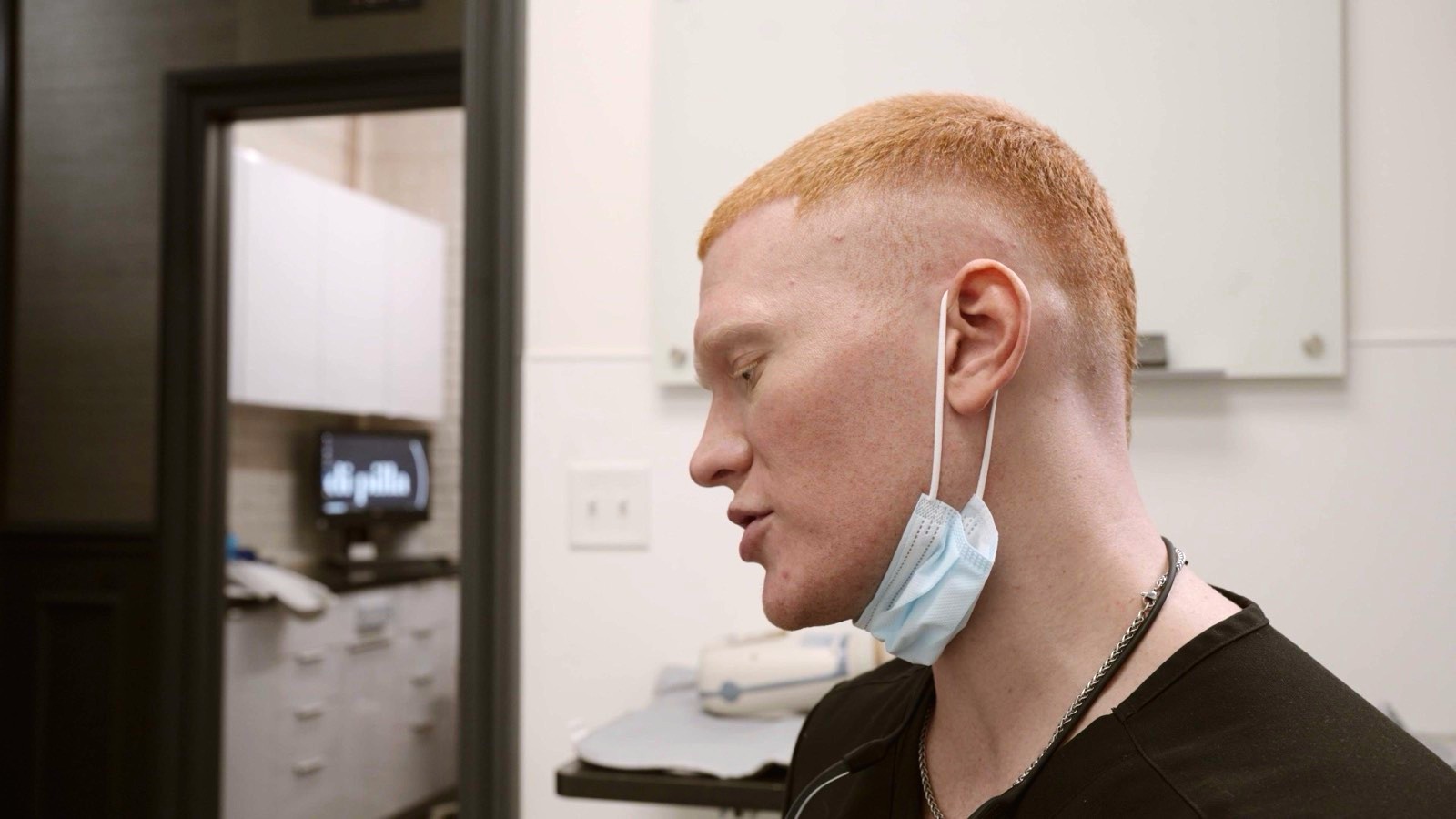
Dr. Colby James Gerth, DMD, earned his Doctorate in Dental Medicine at Midwestern University and is certified through Hiossen for dental implants, so when a tooth has to come out, he’s already thinking about what goes in its place. He has practiced in Chicago since 2020 and opened Pearl in Lincoln Park in 2025.
Not during it. The area is numbed, so you feel pressure rather than pain, and if you feel anything sharp, tell us and we’ll stop. It’s usually sore for a few days afterward, which over-the-counter pain relievers manage for most people.
How long does it take to heal after a tooth extraction?
Most of the soreness eases within three or four days. The gum usually closes over in one to two weeks, and the bone underneath keeps filling in for a few months.
What is a dry socket?
A painful socket where the blood clot has come out too early, usually two to four days after the extraction. It’s easily treated, so call us if the pain gets worse instead of better.
When can I eat after a tooth extraction?
Once the numbness wears off, choose soft, cool food like yogurt, eggs or soup. Avoid hot drinks, crunchy food and straws for the first few days.
Can I go to work after a tooth extraction?
Usually the next day after a simple extraction. After a surgical one, plan on a day or two of rest.
Should I replace a pulled tooth?
Usually, unless it’s a wisdom tooth. A gap lets the neighboring teeth tip and the bone shrink, so it’s worth planning the replacement before the tooth comes out.